
Category: Gourmet Granola
Common Foods to Avoid on Keto (and What to Eat Instead)
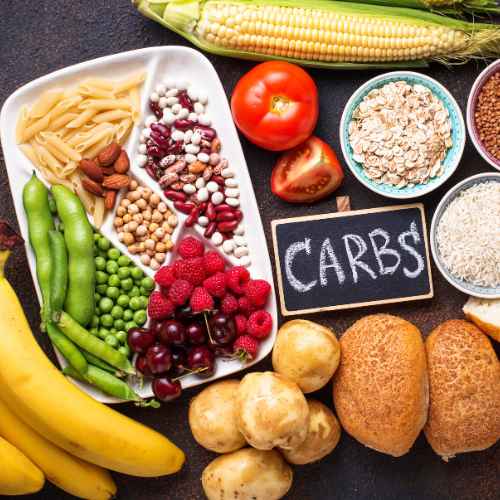
If you’re embarking on the ketogenic diet (or just considering it), you probably know that it’s all about keeping carbs low and fats high. But did you know that some seemingly “healthy” foods could secretly derail your progress? With so much conflicting advice, it’s crucial to know exactly which foods to avoid on keto—and what to eat instead—to stay on track.
Here’s a guide to help you avoid the most common keto pitfalls and stay on a path toward low-carb success.
What Is the Keto Diet All About?
At its core, the keto diet focuses on limiting carbohydrates while significantly increasing fat intake. By doing so, your body enters ketosis, which burns fat for energy instead of carbs. This metabolic switch can lead to weight loss, improved energy, and other health benefits.
But reaching (and staying in) ketosis isn’t always simple. Many foods—some obvious, some surprising—are packed with carbs that could kick you out of this fat-burning state. Below, we’ll break down the most common food culprits and offer delicious, keto-friendly alternatives to keep your meals satisfying and on plan.
Foods to Avoid on Keto
Sugary Foods and Drinks
We’re starting with the biggest no-brainer—sugar is a keto diet’s arch-nemesis. Candies, cakes, cookies, sodas, and even many “natural” sweeteners (like honey or agave) are loaded with sugars that can spike insulin levels and prevent your body from maintaining ketosis.
Examples of sugary foods to avoid
- Sodas and sugary drinks
- Ice cream, cakes, cookies
- Pre-packaged sweets and chocolates
Why are sugary foods off-limits?
Just one can of soda can contain upwards of 40g of carbs, which is more than double the daily carb limit for most keto dieters. These carbs add up in seconds, pulling your body out of ketosis.
What to reach for instead of sugary foods
When you’re craving something sweet, seize keto-friendly alternatives like stevia or monk fruit as natural sweeteners. Indulge in recipes for homemade keto desserts (think chocolate mousse sweetened with erythritol or keto-friendly cheesecake).
Grains and Starches
This might be hard to hear, but bread, pasta, rice, and other starchy staples are off-limits on keto. These foods are loaded with carbs and lack the healthy fats your body craves on this diet.
Examples of grains and starches to avoid
- White and wholegrain bread
- Pasta (including “whole wheat” pasta)
- Rice, oats, quinoa, and similar grains
Why are grains and starches off-limits?
Grains, even when labelled as “whole”, are dense in carbohydrates. For instance, a cup of cooked rice contains around 45g of carbs—enough to knock you out of ketosis entirely.
What to eat instead of grains and starches
Luckily, there are clever swaps! Spiralized zucchini or shirataki noodles can stand in for pasta, and cauliflower rice is a fantastic keto substitute for traditional rice. You won’t even notice the difference once paired with sauces or seasonings!
High-Carb Fruits
Yes, fruit is natural. But natural doesn’t equal low-carb. Many fruits are surprisingly high in sugars, which can spike your carb intake quickly.
Examples of fruits to avoid
- Bananas
- Apples
- Grapes
Why are some fruits off-limits?
A single banana can contain over 25g of carbs, making it more of a sugar bomb than a healthy snack on keto.
What to eat instead of high-carb fruits
Stick to low-carb fruits like berries (strawberries, blackberries, raspberries). These pack a punch of antioxidants with minimal carbs—perfect for sweet cravings.
Legumes
Legumes might be a go-to for plant-based dieters, but they’re pretty much a no-go for anyone following keto.
Examples to avoid
- Beans (black beans, chickpeas, kidney beans)
- Lentils
- Peas
Why are they off-limits?
Legumes are high in both carbs and fibre. A single cup of black beans has around 40g of net carbs, making it incompatible with the ketogenic diet.
What to eat instead
If you’re looking for plant-based protein, opt for tofu, tempeh, or keto-friendly nuts like walnuts or pecans.
Processed Foods
Pre-packaged meals, crisps, granola bars, and certain condiments often contain hidden sugars, unhealthy oils, and additives that can mess with ketosis.
Examples of processed foods to avoid
- Crisps and crackers
- Pre-made frozen meals
- Grain-based breakfast cereals
Why are many processed foods off-limits?
Packaged foods often hide carbs in the form of sugar or additives. These hidden carbs can disrupt ketosis while offering little nutritional value.
What to eat instead of processed, packaged foods
Opt for whole, unprocessed foods. Snacks like pork rinds, unsweetened nut butters, or hard cheeses are great keto-friendly options to satisfy cravings.
Even the most innocent-sounding breakfast cereal can knock you out of ketosis. Look for keto-friendly cereals made from nuts and seeds instead.
What to Eat on a Ketogenic Diet
Now that we’ve tackled the no-go list, here’s what your keto-friendly kitchen should stock instead.
Low-Carb Vegetables
Load your plate with non-starchy vegetables. These are full of fibre, vitamins, and antioxidants, keeping your meals nutrient-packed and low-carb.
Examples of low-carb vegetables include broccoli, spinach, cauliflower, and zucchini.
These veggies make great sides, bases for keto pizza crusts, or even rice substitutes.
Protein Sources
Protein keeps you full and fuels your body—an essential component of a keto plan. Whether you’re a meat-eater or plant-based, there are plenty of options.
Examples of protein sources include eggs, chicken, beef, pork, fish such as salmon or mackerel, and plant-based options like tofu and tempeh.
Aim for high-quality sources like grass-fed meat or wild-caught fish to maximise nutritional benefits.
Healthy Fats
Fat should take centre stage in your keto diet. Beyond being a major energy source, healthy fats keep you full and enhance food’s flavour.
Examples of healthy fats to include in your keto diet are avocado and avocado oil, olive oil, nuts like almonds and macadamias, as well as butter and ghee.
Add fats generously to your cooking for satisfying, keto-friendly meals.
Keto-Friendly Snacks
Snacking on keto doesn’t have to be boring! Choose options that align with your diet while curbing cravings.
Choose delicious options like cheese (cheddar, mozzarella, brie), pork rinds, dark chocolate with 85% cacao or higher, and homemade keto fat bombs.
A handful of our blueberry keto granola will keep those hunger pangs at bay, so don’t forget to carry some with you.
These options are not just filling but also easy to pack for on-the-go snacking.
Tips for Staying on Track
To succeed on keto, it’s all about preparation and awareness. Here are some essentials to keep in mind.
Read Food Labels
Hidden carbs can lurk in sauces, dressings, and condiments. Check nutrition labels for sugars and net carbs.
Meal Prepping
Pre-cook several keto meals for the week to avoid last-minute decisions that might derail your progress.
Find Substitutes
Craving bread? Try keto-friendly bread made with almond flour. Missing sweets? Use sugar-free alternatives like stevia or erythritol.
With these strategies, staying in ketosis becomes a breeze.
The Final Word
Our best advice? Keep it simple and delicious. The keto diet doesn’t have to feel restrictive! Knowing which foods to avoid and what to eat instead is the key to creating meals that are not only low-carb but also satisfying and nutrient-dense.
Start small by swapping out high-carb staples with creative, low-carb alternatives such as our keto granola. And remember, consistency over time leads to the best results.
This article was reproduced on this site with permission from operafoods.com.au the “Keto Granola Supplier”.
See original article:- Common Foods to Avoid on Keto (and What to Eat Instead)
How Many Carbs On Keto? A Practical Guide.
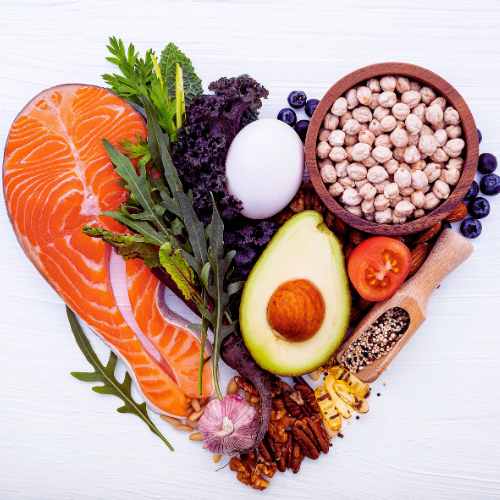
When starting the keto diet, there’s one golden question everyone asks. How many carbs can I eat and still stay in ketosis? If you’ve toyed with the idea of going keto or are already partway through your low-carb adventure, understanding carb intake is essential to your success.
This guide will break down everything you need to know about carbs on the ketogenic diet, from how carbs affect your body to practical tips for staying in that coveted state of ketosis. You’ll learn exactly how many carbs on keto are right for you and how to simplify your food choices to help you stay on track.
What Is The Keto Diet?
The ketogenic diet, or keto for short, is a low-carb, high-fat diet aimed at shifting your body’s primary energy source from carbohydrates to fat. This state is called ketosis and is the hallmark of keto success.
What is Ketosis?
Ketosis is a metabolic state where your body uses fat as its primary energy source instead of carbohydrates. This happens when you significantly reduce your carbohydrate intake, lowering blood glucose levels and depleting glycogen stores. Without enough glucose for energy, your liver starts breaking down fats into molecules called ketones, which can be used by your brain, muscles, and other tissues as fuel.
Why does this matter?
Carbs are your body’s default energy source. By slashing carb intake, you force your system to adapt, burning fat stores more efficiently. For many, this means weight loss, reduced inflammation, and increased energy, among other benefits.
However, there’s one catch—carbs must be tightly controlled. If you eat too many, you can drop out of ketosis entirely. But how many carbs are “too many”? Let’s explore the numbers.
How Many Carbs Per Day on Keto?
The standard ketogenic diet ratios are 70% fat, 20% protein, and 10% carbs. This means that 70 percent of your daily calorie intake should come from fat, 20 percent from protein, and just 10 percent from carbohydrates.
The general rule of thumb is to limit your carb intake to 20–50 grams of net carbs per day.
Understanding Net Carbs
You may have noticed the emphasis on net carbs. This is because not all carbs are created equal. “Net carbs” refer to total carbohydrates minus dietary fibre (and sometimes sugar alcohols, depending on the context). Fibre doesn’t spike insulin or blood sugar, so it doesn’t typically interfere with ketosis.
For example, one cup of raw spinach contains about 3.6 grams of total carbs, but 2.2 grams are fibre. That leaves you with just 1.4 grams of net carbs.
A 60g portion of rice, on the other hand, contains about 53 grams of total carbs but only 2 grams of fibre. That’s 51 grams of net carbs! Visually, once cooked, this looks like roughly a cup of rice.
So when calculating grams of carbs on keto, make sure to focus on net carbs (not total) and choose high-fibre options whenever possible.
Navigating The Carb Conundrum
But counting grams of carbs is not the only way to figure out your carbohydrate intake. It is the method officially associated with the keto diet and may offer just the precision you need, but other strategies can also help you manage your carbohydrate intake effectively.
Going from high-carb directly to keto can be a pretty rough transition, and it can be helpful to first get a grasp of where on that carbohydrate spectrum you sit. Some people can jump from a high-carb diet directly into keto without any problem, but for others, it may be more helpful to gradually decrease their carb intake over time. This can make the transition easier and help prevent some of the common symptoms experienced when adapting to a low-carb or ketogenic diet.
Understanding how carbohydrates work in the body and learning how to effectively manage your carb intake is key to success on the keto diet. The next section aims to bridge that gap.
The Glycemic Index and The Glycemic Load
The glycemic index and its cousin, glycemic load, are helpful tools for understanding how different foods impact blood sugar levels, making it easier to manage your intake effectively. Developed for the management of blood sugar levels, it is, however, a useful guide for those following the keto diet, particularly if you are new to controlling your carb intake.
The Glycemic Index (GI)
The glycemic index (GI) is a numerical scale that measures how quickly a carbohydrate-containing food raises blood sugar levels after consumption.
Foods are ranked on a scale from 0 to 100, with higher values indicating that the food causes a more rapid increase in blood glucose. Low-GI foods, which rank at 55 or below, are digested and absorbed more slowly, leading to more stable blood sugar levels.
Why does this matter?
For those following the keto diet, understanding the glycemic index helps manage carbohydrate intake more effectively. Remember, the keto diet relies on maintaining a state of ketosis, where the body burns fat for energy instead of carbohydrates.
Consuming high-GI foods can cause a spike in blood sugar and insulin levels, which may disrupt ketosis and hinder your progress. Low-GI foods, on the other hand, have a minimal impact on blood sugar, making them a better choice for staying in ketosis and supporting steady energy levels throughout the day.
OK, so what’s glycemic load?
The Glycemic Load (GL)
Glycemic load (GL) is a measure that takes into account both the glycemic index (GI) of a food and the amount of carbohydrates it contains in a typical serving. While the GI tells you how quickly a carbohydrate food is likely to raise your blood sugar levels, the GL gives a more complete picture by considering portion size alongside the carbohydrate’s impact.
This makes glycemic load a more practical tool for understanding how a particular food might affect your blood sugar in real-world eating scenarios. Foods with a low glycemic load are generally better for maintaining steady energy levels and managing blood sugar, which is especially important for those following a keto diet or looking to avoid blood sugar spikes.
Comparing Net Carbs with GI and GL
So, where does that leave our net carbs scenario? Do I need to count grams of carbs or not?
Net carbs, glycemic index (GI), and glycemic load (GL) all relate to how carbohydrates in foods impact your body, but they approach the topic from slightly different angles.
Let’s recap.
Net carbs focus on the amount of carbohydrates in a food that actually affect blood sugar. This excludes fibre and sugar alcohols, as they are either partially or completely undigested and have a minimal effect on blood glucose levels.
GI, on the other hand, measures how fast a carbohydrate-containing food raises blood sugar on a scale from 0 to 100, with higher values indicating a quicker spike.
GL builds on GI by factoring in the quantity of carbohydrates in a standard serving size of the food, providing a more comprehensive picture of its real-world impact on blood sugar.
When it comes to reaching and maintaining ketosis, it is net carbs that can make all the difference by giving you the precision you need to balance this delicate metabolic state.
But the glycemic index and, more importantly, the glycemic load, can give you a framework on which to build your food choices.
Using GL in the Keto Diet
So, we have ditched GI in favour of GL, as it allows us to think in terms of portion size. When you are controlling your food intake, especially for weight loss, knowing what a portion of food looks like on the plate is crucial.
Let’s get back to our concept of a food choices framework.
When you begin any diet, the major concern is to keep things simple. Assessing the current state of your food intake is probably a good place to start. Understanding that you are most likely going to have to make some major changes will aid your transition no end. Trying to crunch the numbers so that you can keep eating bread probably won’t.
It goes without saying that keto, low-carb, or any other healthy diet is most beneficial (not to mention easier to follow) when based around minimally processed whole foods. That’s a whole lot fewer labels you will have to read for a start!
The GL scoring system
Here’s how it works. GL is calculated by multiplying the glycemic index of a food by the amount of carbohydrates (in grams) it contains per serving, then dividing that number by 100.
A lower GL (10 or less) indicates a smaller effect on blood sugar, while a higher GL (20 or more) suggests a greater impact.
By focusing on foods with a low or moderate GL and avoiding those with a high GL, you are off to a good start in not just understanding your carbohydrate intake but also how to bring it under control. And, because it is directly associated with portion sizes, you have an easy-to-estimate guide of what (and how much of it) you need to be eating.
It is worth noting that you don’t have to do these calculations for yourself. Most foods, processed or otherwise, now have a GL score available.
Getting Started With The Keto Diet
Building a list of foods you can eat makes everyday eating far easier. Net carbs aside, let’s revisit those macro ratios and translate them into real life. Bear with us whilst we work through an example to get to some actual practical advice.
If the average woman needs 2000 kcals per day, and the average man needs 2500 kcals per day, then a 70/20/10 split would look like this…
2000 kcals per day breaks down into 50g carbs, 100g protein, and 155g fat.
2500 kcals per day breaks down into 62g carbs, 125g protein, and 195g fat.
Taking into account that there is no such thing as an average person and that weight loss generally involves a reduction of calories, these are pretty much maximum estimates.
Let’s look at those in real terms.
Carbohydrate
30g per day is a more realistic AVERAGE goal for ketosis. In terms of GL scores, that equates to 15 GL per day. Which is actually 10 to 15 portions of non-starchy vegetables per day.
Protein
The recommended amount (keto or not) is, on AVERAGE, 45g per day. If we consider 15g to be a portion, then we need 3 portions per day.
Fat
Which leaves the rest as fat. If we consider that one tablespoon of oil contains roughly 150 kcals and call that a portion, then based on the AVERAGE estimates for a woman, we would need 9 portions each day.
This might all sound overly complicated, but what could be simpler than counting portions per day?
But what’s in a portion?
A portion of carbs
It makes sense that the higher the glycemic load of a food, the smaller the portion should be. So for 1 GL, you could have a handful of broccoli or half a cucumber or a large handful of spinach or lettuce. You could also have a whole avocado, which incidentally counts as two of your fat portions, too.
Going up the scale, for 2 GL, you could have one medium tomato or half an onion. A small carrot comes in at 3 GL. Theoretically, foods with a score of lower than 10 GL are considered low on the scale, but you won’t get many of those in and remain in ketosis. One small banana, for example, will cost you 10 GL.
Out of interest, 3 small new potatoes come in at 16 GL, or you could have a handful of fries for 22 GL. One-third of a corn cob is 14 GL.
Filling half of your plate with veggies at each meal is clearly the only way to go.
A portion of protein
A portion of protein is generally considered to be a handful or a pack of playing cards. It is much simpler than working out carbs.
1 small chicken thigh with skin (50g), a small steak (100g), or a small fillet of salmon (55g) are all one portion of protein. As are two eggs, a handful of nuts (100g), or a wedge of Brie (75g).
Three of those a day, and you are done. It’s surprisingly little.
A portion of fat
Some foods get counted as fat, too. Like our avocado above, for example. But when you are aiming for a high fat ratio, trust us when we say this is a blessing, not a curse.
Protein foods often double up as fat portions. 2 chicken thighs are one portion of fat, whilst a rib eye steak is slightly more at one and a half. As we saw before, 1 tablespoon oil (be it olive, coconut, or whatever) is also one portion; two eggs are one portion, as is your wedge of Brie or handful of nuts and seeds.
Exploring keto? Read more in our article ‘Getting started with the keto diet. ‘
Keto-Friendly Foods Low in Carbs
Here’s a quick guide to some excellent keto-approved options.
Low-Carb Vegetables
These veggies are nutrient-packed and low in carbs, making them perfect for keto.
- Leafy Greens like spinach, kale, and arugula
- Cruciferous Vegetables, including broccoli and cauliflower
- Zucchini and other summer squashes
- Asparagus and bell peppers
- Mushrooms for their versatility and umami flavour
Keto-Friendly Proteins
Focus on high-quality protein sources that are rich in healthy fats.
- Fatty Fish such as salmon, mackerel, and sardines
- Poultry like chicken thighs with skin or duck
- Grass-Fed Meat, including beef, lamb, or pork
- Eggs, which are incredibly versatile and nutrient-dense
Healthy Fats
These fats are essential to maintaining energy levels and satiety.
- Avocados and avocado oil
- Olive oil and olives
- Coconut oil or MCT oil
- Nuts and Seeds like macadamias, almonds, chia seeds, and flaxseeds
- Butter and ghee, preferably grass-fed
Check out our article ‘The Keto Food List Explained’ for a more in-depth look at keto-approved foods.
Adjusting Your Carb Intake Over Time
We have looked at some ways to make life simpler when starting a keto diet by paying attention to glycemic load and getting familiar with portion sizes. Even just these simple measures will see you well on your way to a healthier diet and all the benefits it can bring.
Yet that does not necessarily mean you will be in, or stay in, ketosis. It might, but the key to any diet is understanding your own needs and tweaking the process according to what works best for you. And that’s where the fine-tuning and the precision of counting net carbs come in.
Finding Your Carb Tolerance
Identifying your personal carb limit to maintain ketosis is a crucial step in mastering this dietary approach. Everyone’s metabolism and lifestyle are unique, so the amount of carbohydrates you can consume while staying in ketosis might differ from someone else’s.
To figure this out, start by monitoring your daily carb intake and tracking your body’s responses, such as checking your ketone levels using urine strips or a blood ketone meter. Most individuals find their limit falls between 20-50 grams of net carbs per day, but it’s important to experiment and adjust based on your specific goals, activity level, and how your body reacts.
By finding your sweet spot, you’ll be better equipped to maintain ketosis and enjoy its benefits while still having flexibility in your diet.
Determining your ideal carb intake is often a process of trial and error, and that’s completely normal. Start by setting a baseline carb goal within the recommended range, such as 30 grams of net carbs per day. Stick to this amount for at least a week while keeping track of your ketone levels, energy, mood, and overall well-being. If you’re not achieving ketosis or feel sluggish, try lowering your intake slightly and observe any changes over the next few days.
On the other hand, if you’re consistently in ketosis and want to experiment with more flexibility, gradually increase your carb intake in small increments, such as 5 grams at a time, while continuing to monitor your body’s response.
Remember, everyone’s metabolism is unique, so patience and careful adjustments will help you find the balance that works best for you.
Signs You Might Need to Adjust
Too many carbs?
Obviously, one of the most noticeable signs that you’re consuming too many carbs on keto is being kicked out of ketosis. This can be identified by an increase in your blood sugar levels, which can be measured using a blood glucose or ketone meter.
Yet, there are other signals to look out for. These might include carb cravings, sudden energy crashes, or a return of brain fog and sluggishness. You might also notice bloating or other digestive discomforts as your body reacts to the extra carbohydrates.
If weight loss is part of your goal on keto, stalled progress or unexpected weight gain can also signal that your carb intake may be too high. Pay close attention to your body’s cues, and don’t hesitate to make adjustments to your diet as needed to stay on track.
Too few carbs?
Of course, this can go the other way as well.
When your carb intake is too restrictive, your body will often send clear signals that it’s not getting enough. Common signs include persistent fatigue, difficulty focusing, and feeling unusually irritable or moody. You might also experience headaches or dizziness, as your brain relies on a small amount of glucose to function optimally, even while on keto. Finding it hard to sleep can be an issue, often resolved with a slight increase in carb intake.
Another red flag can be a noticeable drop in physical performance, particularly during high-intensity activities or workouts. If you’re feeling constantly drained or struggling to recover, it may be an indicator that your body needs a bit more carbohydrate intake.
Remember, the goal is to find a healthy balance where you feel energized and capable while staying within your ketogenic framework. You must also consider the possibility that a keto lifestyle is simply not for you and maybe switch to a low carb approach instead.
A final word
Understanding carb intake is the key to keto success. It’s all about listening to your body, experimenting with what works best, and making adjustments as needed. Whether you’re reducing carbs further to stay in ketosis or strategically using them to boost performance and energy, the key is finding a sustainable approach that supports your goals.
Remember, keto isn’t one-size-fits-all—it’s about finding the balance that works for you.
Don’t forget to check out our range of keto granola, designed to help you balance your carb intake whilst still enjoying a healthy breakfast cereal.
This article was reproduced on this site with permission from operafoods.com.au the “Keto Granola Suppliers”.
See original article:- How Many Carbs On Keto? A Practical Guide.
What Is The Difference Between Paleo And Keto?
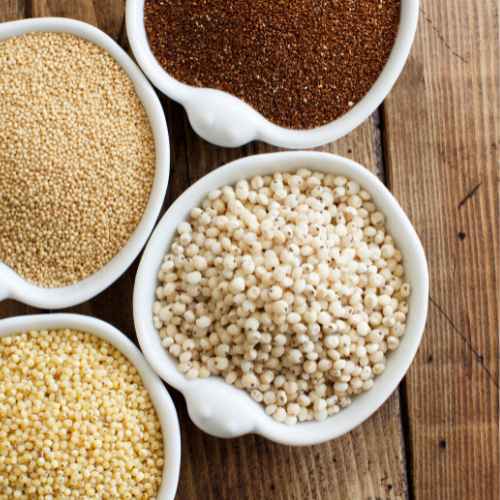
The Paleo diet and the Keto diet are two very different things, yet they share certain similarities that often lead them to be compared or even confused. So, what is the difference between Paleo and Keto?
A Whole Food Approach To Eating
Paleo and Keto are popular dietary approaches that focus on eating whole, unprocessed foods, yet they differ in their primary principles and goals.
The Paleo diet revolves around mimicking the eating patterns of our ancestors, emphasizing natural foods like meat, fish, vegetables, fruits, nuts, and seeds while avoiding grains, legumes, dairy, and processed items.
The Keto diet aims to put the body into ketosis, a metabolic state where fat is burned for energy instead of carbohydrates. This is achieved by adopting a high-fat, moderate-protein, and very low-carbohydrate eating plan.
While both diets focus on healthier choices, their methods and food restrictions cater to different lifestyle and health goals.
Let’s explore the fundamentals of each diet in turn.
What Is the Paleo Diet?
The Paleo diet, often referred to as the “caveman diet,” is based on the idea of eating in a way that mirrors the dietary habits of our ancestors during the Paleolithic era. The central principle is to consume whole, nutrient-dense foods that were likely available to early humans before the advent of agriculture and modern food processing. This means the diet prioritizes foods like lean meats, fish, fresh fruits, vegetables, nuts, and seeds.
The Paleo philosophy centres around the belief that our bodies are better adapted to these natural, unprocessed foods than the grains, dairy, and highly refined products that dominate the modern diet. It aims to eliminate foods introduced during the agricultural revolution, such as legumes, grains, and added sugars, which are thought to contribute to various health issues today.
By focusing on eating real, whole foods and avoiding artificial additives, Paleo enthusiasts strive for improved digestion, reduced inflammation, better energy levels, and overall well-being—all inspired by ancestral eating habits.
What Is the Keto Diet?
The ketogenic diet, often referred to as “keto,” is a low-carb, high-fat diet designed to shift the body into a state called ketosis. Ketosis occurs when the body begins to burn fat for energy instead of carbohydrates, leading to the production of molecules known as ketones. This metabolic state can help improve energy levels, support weight management, and even positively impact certain health conditions.
The foundation of the keto diet lies in significantly reducing carbohydrate intake, typically to less than 50 grams per day, and increasing consumption of healthy fats like avocados, olive oil, nuts, seeds, and fatty fish. Protein is consumed in moderate amounts to meet bodily needs without disrupting ketosis. Foods like sugary snacks, grains, starchy vegetables, and most fruits are typically avoided due to their high carbohydrate content.
By focusing on fat as the primary energy source, the ketogenic diet aims to stabilize blood sugar levels, enhance mental clarity, and promote fat burning. Though initially challenging for some, this way of eating has gained popularity for its potential benefits in managing weight, promoting metabolic health, and supporting overall wellness.
Key Differences Between Paleo and Keto
The paleo diet is based on eating foods that mimic the diet of our hunter-gatherer ancestors, focusing on unprocessed meats, fish, eggs, vegetables, fruits, nuts, and seeds while avoiding dairy, grains, legumes, and processed foods. It prioritizes a clean and natural approach to eating without strict macronutrient requirements. The primary focus is on nutrient density and avoiding modern agricultural products believed to be harmful to health.
On the other hand, the ketogenic diet is centred around achieving and maintaining the state of ketosis by strictly limiting carbohydrates (usually less than 50 grams per day) and increasing fat intake. Unlike paleo, keto is less concerned with the types of foods consumed and more focused on the macronutrient ratios to ensure the body uses fats, rather than carbohydrates, as its main energy source.
Another notable distinction is their stance on dairy. Many keto followers include high-fat dairy products like cheese and butter in their meals, as these are excellent sources of fats and low in carbs. Paleo, however, typically excludes dairy altogether since it wasn’t a staple in ancestral diets.
Ultimately, while both diets have the potential to support healthy living, they cater to different preferences and objectives. Paleo is suited to those seeking a more natural and ancestral approach to eating, while keto is ideal for those aiming for metabolic changes through carb restriction and fat adaptation.
Carbohydrates and Grains on Paleo and Keto
A major crossover between Paleo and Keto in terms of foods and ingredients is the question of carbohydrates and more specifically, grains.
The Paleo diet can be considered grain-free, as grains are not on its list of allowed ingredients. Grains, such as wheat or barley, are not only considered to be a modern industrial food crop but are also thought to contain compounds that are supportive of optimal health.
The Keto diet, whilst not specifically grain-free, does encourage the elimination of grains as they are a major source of carbohydrates.
Oats, wheat and other cereal grains are pretty much off the menu for both diets, so alternatives such as nuts and seeds feature highly in both diets. This keto granola is a great breakfast cereal for both diets.
Explore the keto food list in more detail.
The Benefits of Paleo and Keto
When it comes to health benefits, both Paleo and Keto offer distinct advantages, depending on individual goals and lifestyles.
The Paleo diet emphasizes whole, unprocessed foods, which can lead to improved digestion and reduced inflammation. By eliminating processed grains, dairy, and artificial additives, Paleo can help individuals with sensitivities or allergies, such as lactose intolerance or gluten intolerance. Many followers also report increased energy levels and better blood sugar regulation due to the reliance on nutrient-dense fruits, vegetables, and protein sources.
On the other hand, the Keto diet is well-known for its ability to promote weight loss, particularly fat loss, by encouraging the body to use fat as its primary fuel source. This metabolic state, known as ketosis, not only supports fat burning but can also enhance mental clarity and focus. Additionally, Keto has been linked to potential therapeutic benefits, such as managing certain neurological conditions like epilepsy and even aiding in blood sugar control for individuals with type 2 diabetes.
Both diets encourage a break away from heavily processed foods and sugary snacks, setting the stage for a wholesome approach to eating. However, as with any diet, it’s crucial to consider personal health needs and consult with a healthcare professional when deciding which plan might be best for you.
Who Should Choose Each Diet?
When deciding between the Paleo and Keto diets, it’s important to consider your personal goals, lifestyle, and health conditions.
The Paleo diet might be a great fit if you’re looking to adopt a more natural approach to eating, emphasizing whole foods and avoiding processed ingredients. It’s particularly suitable for those who want to boost their overall health, improve digestion, or lower inflammation, as its focus on nutrient-dense foods supports these outcomes. If you’re an active individual or an athlete, Paleo’s inclusion of healthy carbs like sweet potatoes and fruits can provide the energy needed for performance and recovery.
On the other hand, the Keto diet could be the better choice for those aiming primarily for weight loss, especially fat loss, or individuals managing conditions like type 2 diabetes or epilepsy. If mental clarity and sustained focus are priorities, the ketogenic state may offer additional benefits in these areas. That said, Keto is often stricter in its requirements, demanding careful tracking to maintain ketosis, which may not be ideal for everyone. Those who enjoy structure and are willing to commit to a low-carb, high-fat ratio may find success with Keto.
Ultimately, both diets can be effective when tailored to your needs, and the decision should align with your health goals, preferences, and lifestyle. Consulting a nutritionist or doctor can help ensure the diet you choose is safe and sustainable for you.
Common challenges people face with Paleo and Keto
Adopting either the Paleo or Keto diet can come with its own set of challenges.
For those following the Paleo diet, one of the most common hurdles is the elimination of many modern convenience foods. Eliminating grains, dairy, and processed snacks, can make meal planning and dining out more complicated.
It can also be challenging to maintain a diverse and balanced diet if proper planning isn’t in place.
On the other hand, individuals on the Keto diet often find it difficult to manage the strict macronutrient ratios required to stay in ketosis. This means constantly monitoring carb intake, which can be overwhelming, especially for beginners.
Additionally, some experience the “Keto flu” in the early stages, which can include symptoms like fatigue, headache, and irritability as the body adjusts to burning fat for fuel instead of carbohydrates.
Both diets can be more expensive, as they require higher-quality ingredients.
These challenges highlight the importance of preparation, flexibility, and long-term sustainability when choosing either Paleo or Keto.
A Final Word
As we have seen, both the Paleo and Keto diets offer unique approaches to improving health and achieving personal wellness goals.
While both diets have their benefits they also come with challenges. Maintaining the strict guidelines of these diets can be daunting, and preparation is key. The cost of higher-quality ingredients, compared to a diet of cheap processed foods, is certainly a factor to be considered.
Ultimately, the choice between these diets—or any dietary approach—will depend on your personal health goals, preferences, and lifestyle. It’s always a good idea to consult with a healthcare professional or nutritionist first.
With proper planning, flexibility, and commitment, either diet has the potential to positively impact your health and well-being.
Interested in starting a keto diet? Read our guide to ‘getting started with the keto diet’.
Our grain-free keto granola is suitable for both Paleo and Keto diets.
This article was reproduced on this site with permission from operafoods.com.au the “Keto Granola Supplier”.
See original article:- What Is The Difference Between Paleo And Keto?
The Keto Food List Explained

The ketogenic diet, often called “keto,” is a low-carb, high-fat diet designed to help the body enter a state called ketosis. In ketosis, the body shifts from using carbohydrates as its primary energy source to burning fat for fuel. This metabolic change can lead to various benefits, including increased energy, improved focus, and, for many, effective weight management.
The diet typically emphasizes reducing carbohydrate intake while prioritizing healthy fats and moderate protein consumption, tailoring meals to support this unique process. A well-structured food list is an invaluable tool for achieving success on the ketogenic diet.
By carefully selecting low-carb, high-fat, and moderate-protein foods, you can avoid common pitfalls like unintentionally consuming hidden carbs, which can disrupt your progress. Additionally, following a food list encourages a focus on nutrient-dense options, ensuring that your body receives essential vitamins and minerals while adapting to the diet. It can also simplify meal planning and grocery shopping, reducing stress and making your keto experience more enjoyable and sustainable in the long term.
Use this simple keto food list as a guide to the best foods to eat on a ketogenic diet, and discover some essential tips for planning and shopping to help you stay on track.
What Foods Can You Eat On A Keto Diet?
While staying mindful of macronutrient ratios is key to maintaining ketosis, focusing on a diet of whole minimally processed foods makes calculation far easier (not to mention nutritionally beneficial).
On a keto diet, you can enjoy a variety of delicious and nutrient-rich foods. Focus on low-carb vegetables like leafy greens, broccoli, and zucchini, as well as healthy fats from sources like avocados, olive oil, and nuts. Protein choices include meats, poultry, seafood, and eggs, all consumed in moderation. Dairy products such as cheese, cream, and unsweetened yogurt can be included, as long as they are low in carbs. Additionally, certain low-carb fruits like berries can be enjoyed in small amounts.
Foods to Eat on a Keto Diet
Low-Carb Vegetables
Spinach
Spinach is a versatile, nutrient-dense vegetable that’s low in carbs and high in vitamins A, C, and K. It also provides iron and magnesium, making it a great addition to keto salads, omelettes, or smoothies.
Broccoli
Broccoli is not only low in carbs but also packed with fibre, vitamin C, and antioxidants. It can help reduce inflammation and is perfect for roasting, sautéing, or steaming as a side dish.
Zucchini
Zucchini is a keto favourite due to its low-carb content and adaptability. It’s rich in vitamin C and potassium and can be used as a substitute for pasta or as a base for various dishes like zucchini noodles or fritters.
Cauliflower
Cauliflower is another crucial staple for keto enthusiasts. With its fairly neutral flavour, it can be transformed into rice, pizza crust, or mashed “potatoes,” while delivering a good dose of vitamins C and K.
Bell Peppers
While slightly higher in carbs than other keto vegetables, bell peppers are a colourful, nutrient-rich option. They’re an excellent source of vitamins A and C and make for great additions to stir-fries or as a snack when stuffed with low-carb fillings.
Cucumber
Crisp and refreshing, cucumbers are extremely low in carbs and high in water content, making them great for hydration. They are ideal for salads, dips, or just as a crunchy snack.
Asparagus
Asparagus is a low-carb, fibre-rich vegetable packed with vitamins A, C, and E. It’s easy to roast, grill, or steam and pairs well with healthy fats like olive oil or butter.
Healthy Fats
Avocados
Rich in heart-healthy monounsaturated fats, avocados are a keto staple. They’re also high in potassium, which helps maintain electrolyte balance, and their creamy texture makes them perfect for salads, smoothies, or spreads.
Olive Oil
A great source of monounsaturated fats, olive oil is packed with antioxidants and anti-inflammatory properties. It’s ideal for drizzling over salads, roasting vegetables, or as a base for homemade dressings.
Coconut Oil
High in medium-chain triglycerides (MCTs), coconut oil provides a quick energy source that supports ketosis. Its mild, slightly sweet flavour is great for cooking, baking, or adding to coffee.
Butter and Ghee
Grass-fed butter and ghee are rich in healthy fats and contain important vitamins like A and K2. They’re versatile for cooking at high temperatures or spreading on low-carb bread substitutes.
Nuts and Seeds
Varieties like almonds, walnuts, chia seeds, and flaxseeds are full of healthy fats and fibre. They make excellent snacks or additions to smoothies, yogurt, or keto-friendly baked goods.
Fatty Fish
Salmon, mackerel, and sardines are excellent sources of omega-3 fatty acids, which are beneficial for brain health and reducing inflammation. Incorporate them into meals for a nutrient-dense boost.
Proteins
Eggs
Eggs are one of the most versatile and nutrient-packed protein sources. They are low in carbs, rich in healthy fats, and provide essential vitamins, making them a staple for most keto diets.
Chicken and Turkey
These lean proteins are ideal for keto-friendly meals. They are excellent for building muscle and can be paired with keto-approved sauces or low-carb vegetables.
Beef and Pork
High-quality cuts of beef and pork, such as ribeye steak, ground beef, or pork chops, are satisfying options rich in both protein and fats, essential for maintaining energy levels on keto.
Seafood
Shellfish like shrimp, crab, and lobster, as well as white fish like cod, are low in carbs but pack a healthy dose of protein and essential nutrients.
Cheese
Varieties like cheddar, mozzarella, and cream cheese offer both protein and fat, fitting seamlessly into a keto diet. They can be enjoyed as snacks or melted into dishes.
Tofu and Tempeh
These plant-based protein sources are low in carbs and versatile for a variety of recipes. They provide a great alternative for vegetarians following a keto lifestyle.
Low-Carb Dairy
Heavy Cream
Heavy cream is rich in fat and contains minimal carbs, making it an excellent addition to coffee, soups, and keto desserts.
Greek Yogurt (Full-Fat, Unsweetened)
Full-fat, unsweetened Greek yogurt offers a creamy texture with a moderate amount of protein and fat. It’s perfect for smoothies, as a base for dips, or with keto granola for a satisfying breakfast or snack.
Butter
Pure butter is carb-free and a great way to add flavour and fat to meals. It’s especially useful for cooking and baking on a keto diet.
Ghee (Clarified Butter)
Ghee has a higher smoke point than regular butter and is lactose-free, making it ideal for cooking and adding healthy fats without carbs.
Sour Cream
Low in carbs and high in fat, sour cream is a tangy addition to keto recipes, great for toppings or as an ingredient in creamy sauces.
Cottage Cheese (Full-Fat)
Though slightly higher in carbs than harder cheeses, full-fat cottage cheese provides a balance of protein and fat, suitable for moderate keto servings.
Low-Carb Fruits
Blackberries
Blackberries are low in carbs and high in antioxidants, vitamins C and K, and fibre. They make a refreshing snack or can be used to add a burst of flavour to smoothies or desserts.
Raspberries
Raspberries are another keto-friendly fruit that provides a sweet-tart taste while being relatively low in net carbs. They are also packed with antioxidants and help support digestion due to their high fibre content.
Strawberries
Strawberries are naturally low in carbs and can satisfy sweet cravings on a keto diet. They are a great source of vitamin C, manganese, and antioxidants, supporting overall health.
Lemons
While not typically eaten on their own, lemons are low in carbs and can enhance the flavour of various dishes or beverages. They are high in vitamin C and can help add a refreshing twist to your keto meals or drinks.
Coconuts
Coconuts, particularly unsweetened coconut meat or flakes, are low in carbs and packed with healthy fats and fibre. They’re versatile and can be used in desserts, smoothies, or as a tasty snack.
What Are The Main Foods To Avoid On A Keto Diet?
Now you have an idea of what you should be eating on a keto diet, what foods should you avoid?
Again, it quite often comes down to avoiding processed foods as they often contain so many hidden ingredients, particularly in the form of sugars and starches. But there are also whole, natural, ingredients that are not appropriate for a keto diet, such as high-sugar fruits, starchy vegetables, pulses, and most grains. There are also some surprises to look out for, such as milk for example.
Foods to Avoid on a Keto Diet
High-Carb Grains and Starches
- Wheat and wheat-based products (e.g., bread, pasta, cereals)
- Rice (white, brown, wild)
- Oats and oatmeal
- Corn and cornmeal
- Quinoa
- Barley
- Rye
- Tapioca
- Couscous
- Bulgur
These grains and starches are high in carbohydrates and can hinder your ability to maintain ketosis, so it’s best to steer clear of them while following a keto diet.
High-Carb Fruits
- Bananas
- Grapes
- Mangos
- Pineapples
- Apples
- Pears
- Cherries
- Figs
- Papayas
- Plums
These fruits, while delicious and nutrient-rich, are naturally high in sugars and carbohydrates, making them unsuitable for a keto diet. It’s essential to opt for low-carb fruit options to stay within your carbohydrate limits and maintain ketosis.
Starchy Vegetables
- Potatoes
- Sweet potatoes
- Corn
- Peas
- Butternut squash
- Carrots
- Parsnips
- Acorn squash
These vegetables are packed with starches and carbohydrates, which can quickly exceed the daily carb allowance on a keto diet. Opting for non-starchy alternatives is crucial to maintain ketosis.
Legumes and Beans
- Lentils
- Black beans
- Pinto beans
- Chickpeas
- Kidney beans
- Lima beans
- Navy beans
- Cannellini beans
These legumes and beans are high in carbohydrates, making them unsuitable for a ketogenic diet. Instead, focus on low-carb protein sources to ensure you stay within your daily carb limits while maintaining nutrition.
Milk and Certain Dairy Products
- Sweetened yogurt
- Regular milk (whole, skim, or low-fat)
- Coffee creamers with added sugar
- Ice cream
- Flavoured milk
- Cottage cheese (in large quantities)
- Processed cheese spreads
- Sweetened condensed milk
Some dairy products are best avoided on a keto diet because they contain a higher percentage of natural sugars or contain added sugars and carbohydrates. Opt for full-fat and unsweetened options, such as heavy cream, butter, and hard cheeses.
Alcoholic Beverages
- Beer (especially regular or lager varieties). Beer is typically high in carbohydrates, which can quickly disrupt ketosis. Many beers are made from grains that result in a significant carb content.
- Sweetened cocktails (such as margaritas, daiquiris, and pina coladas). These often contain syrups, juices, or added sugars, dramatically increasing their carbohydrate content.
- Dessert wines (like Port or Moscato). These wines tend to have higher sugar levels, which spike their carb count, making them unsuitable for a keto-friendly lifestyle.
- Flavoured liqueurs and cordials (such as Baileys, Kahlua, or Amaretto). These beverages usually include added sweeteners, contributing a significant carb load per serving.
Avoiding these alcoholic drinks on a keto diet is essential because their high carbohydrate and sugar content can interfere with the body’s ability to stay in ketosis. Instead, opt for low-carb alternatives like dry wines, and pure spirits (such as vodka, gin, or whiskey), and avoid mixers high in sugar or carbs.
Sugary Foods and Beverages
- Candy and chocolates
- Sugary sodas and soft drinks
- Sweetened coffee and tea beverages
- Ice cream and frozen desserts
- Cakes, cookies, and pastries
- Fruit juices (even 100% juice varieties)
- Energy drinks with added sugar
- Jams, jellies, and sweet spreads
- Sweetened yogurt and flavoured dairy products
- Syrups (e.g., maple syrup, agave syrup, and honey)
These items are packed with sugar and quickly (think immediately) add up to exceed your daily carbohydrate allowance on a keto diet. It’s important to avoid them to maintain your state of ketosis.
Processed and Packaged Foods
- Chips, crackers, and pretzels
- Pre-packaged meals (e.g., frozen dinners, boxed pasta dishes)
- Packaged baked goods (e.g., muffins, cupcakes, and doughnuts)
- Granola bars and protein bars with high sugar content
- Instant noodles and soups with starchy additives
- Packaged breakfast cereals
- Candies and chocolates (unless specifically low-carb or sugar-free)
- Canned fruits in syrup
- Store-bought salad dressings and sauces with added sugars
- Flavored snack mixes (e.g., trail mixes with dried fruit or chocolate pieces)
These foods often contain hidden carbs or sugars, making them incompatible with the strict carbohydrate limits of the keto diet. Always check labels carefully to avoid sneaky ingredients that could kick you out of ketosis!
How To Build A Keto Grocery List
Building your personal keto grocery list can feel overwhelming at first, but with a little planning, you can stock your kitchen with delicious, low-carb essentials that make sticking to your diet much easier.
Organize a Weekly Menu
Meal planning is a powerful tool for maintaining a successful keto diet while reducing stress around food preparation. By planning ahead, you can ensure your meals stay within your desired macronutrient ratios, helping you more easily achieve and sustain ketosis. It also saves time and energy during the week, as having a clear plan eliminates last-minute decisions about what to eat.
Additionally, meal planning allows you to shop more efficiently, with a focus on keto-friendly ingredients, minimizing food waste and potentially cutting grocery costs. Perhaps most importantly, it helps you avoid temptations and stick to your dietary goals, as you’ll always have satisfying, low-carb meals ready to go.
Creating a grocery list based on your meals for the week is simple and highly effective. Start by planning your meals, including breakfast, lunch, dinner, and snacks, while keeping your keto-friendly goals in mind. Review each recipe and jot down every ingredient you’ll need, ensuring you list the exact amounts to avoid overbuying. Next, check your pantry, fridge, and freezer to see what you already have on hand, crossing those items off your list. Once your list is finalized, organize it by categories such as produce, proteins, dairy, and pantry staples. This makes grocery shopping quicker and more efficient, as you can grab everything you need from each section of the store in one go.
Focus on Whole, Unprocessed Foods
We have said it before, but it is worth repeating. Staying away from overly processed foods is good advice whatever your eating goals as they tend to come with a long list of often unnecessary ingredients.
Choosing whole, unprocessed foods on the keto diet offers numerous benefits for both your health and your overall success with the lifestyle. These foods, like fresh vegetables, high-quality meats, and healthy fats, are nutrient-dense, providing essential vitamins and minerals without the hidden sugars or carbs often found in processed options.
Additionally, whole foods are often more satisfying, which can help curb cravings and prevent overeating. By focusing on these wholesome ingredients, you’ll not only support your body’s nutritional needs but also improve the long-term sustainability of your diet.
Stock Up on Healthy Fats
Healthy fats play a crucial role in maintaining ketosis, as they serve as the primary energy source when your body shifts away from using carbohydrates for fuel. Consuming adequate amounts of fats helps your body produce ketones, which are essential for keeping you in a state of ketosis.
Additionally, healthy fats like avocados, olive oil, nuts, and seeds not only provide energy but also support brain function, hormone regulation, and overall cellular health. Including these fats in your diet ensures that you stay satiated and energized while following a ketogenic lifestyle, making it easier to maintain this metabolic state over time.
Prioritise Low-Carb Vegetables
As with any eating plan, it is important to prioritise plenty of healthy vegetables. It can be all too easy on a low-carb diet to avoid all vegetables as a source of unwanted carbohydrates. Who wouldn’t rather have a slice of bread or two, rather than a side of broccoli? Whilst the occasional sneaky swap can do wonders for your mental health, your carb allowance is far better spent on nutrient-dense veggies.
Vegetables play a crucial role in ensuring you get the essential nutrients your body needs while following a keto diet. Low-carb vegetables like spinach, kale, zucchini, and cauliflower are packed with vitamins, minerals, and fibre, all while keeping your carbohydrate intake in check. They help support digestion, boost your immune system, and maintain overall health. Additionally, many vegetables are rich in antioxidants, which protect your body from oxidative stress and inflammation.
Incorporating a variety of colourful vegetables into your meals can make your keto diet more balanced, satisfying, and sustainable in the long run.
Include High-Quality Proteins
Proteins play an essential role in supporting your body’s transition into ketosis and maintaining it effectively. While fats are the primary macronutrient in a keto diet, adequate protein intake ensures that your body has enough amino acids to support essential functions, such as muscle repair and hormone production.
Additionally, proteins help preserve lean muscle mass while your body burns fat for fuel. Too little protein can lead to muscle loss, while too much may interfere with ketosis. Striking the right balance in your protein consumption ensures your body functions optimally while staying in the fat-burning metabolic state of ketosis.
On a keto diet, focusing on high-quality options like grass-fed meats, free-range eggs, wild-caught fish, and plant-based protein sources ensures you’re getting the necessary nutrients without compromising your ketosis goals. These proteins not only support your overall health but also help maintain your energy levels and keep you satiated throughout the day.
Plan for Keto-Friendly Snacks
Snacks are vital in helping you stay on track with the keto diet by preventing hunger and avoiding the temptation of high-carb options. They’re a convenient way to maintain your energy levels between meals and support your progress in reaching your ketosis goals.
Well-chosen keto-friendly snacks, like nuts, seeds, cheese, or low-carb veggie sticks with dips, can curb cravings while keeping your daily carb intake in check. Additionally, having snacks readily available ensures you’re prepared even during busy days, making it easier to stick to your keto lifestyle without compromise.
The early days of keto, especially if you are transitioning from a diet laden with carbs or processed foods can be particularly challenging. You will likely be bombarded with hunger cues, real or otherwise, as your mind and your body adjust to a new lifestyle.
Consider Dairy Alternatives
Dairy does contain carbs, but the amount can vary widely depending on the type of dairy product. For those following a keto diet, it’s important to be mindful of these differences.
For example, full-fat options like heavy cream and certain cheeses, such as cheddar or mozzarella, tend to have very low carb counts, making them suitable choices. On the other hand, milk, especially regular cow’s milk, contains more carbs due to its lactose content and may need to be consumed in limited quantities or avoided altogether.
Lactose-free or low-carb dairy substitutes can be a fantastic addition to a keto diet. These alternatives, such as unsweetened almond milk, coconut milk, or dairy-free cheese, are typically much lower in carbohydrates, which makes them ideal for staying within the strict carb limits of keto. Whether you’re preparing creamy sauces, smoothies, or snacks, these options provide a delicious and keto-friendly way to enhance your meals.
Check Food Labels for Hidden Carbs
It is helpful for everyone to be mindful of hidden carbs in processed foods, but it is of particular relevance to the keto diet.
Hidden carbs can sneak into your diet when you least expect it, potentially disrupting ketosis and your overall progress. Many processed or pre-packaged foods, even those labelled as “low-carb,” can contain added sugars, starches, or other ingredients that may increase the total carbohydrate count.
Checking food labels carefully ensures you’re aware of the exact nutritional content, including serving sizes, total carbs, and added sugars. This habit helps you make informed choices while staying within your daily carb limits, keeping your body in a state of ketosis and optimizing your keto diet success.
Identifying hidden sugars and starches in food products can feel tricky at first, but knowing what to look for makes it much easier. Start by reading the ingredient list carefully—hidden sugars often go by different names, such as maltose, dextrose, corn syrup, or honey.
Starches might be listed as modified food starch, potato starch, or tapioca. Additionally, check the total carbohydrate count on the nutrition label. Be cautious when evaluating products labeled as “natural” or “healthy,” since these terms don’t always mean low-carb. Taking the time to understand these details helps you avoid unexpected carbs and stay on track with your dietary goals.
Shop in Bulk for Keto Staples
Buying keto staples in bulk can be a smart and cost-effective way to stay prepared and save money on your low-carb lifestyle. Items like almond flour, coconut flour, chia seeds, and low-carb sweeteners often have a long shelf life, making them perfect for bulk purchases. Stocking up on these essentials not only reduces frequent trips to the store but also ensures you always have the ingredients you need for keto-friendly meals and snacks.
Here at Opera Foods, we specialise in bulk buy discounts at wholesale prices on a wide range of storecupboard staples.
Avoid Temptations in the Store
Shopping can be a minefield of temptation, especially in large supermarkets that are carefully designed to encourage impulse buying. Here are a few tips to help you stay focused and avoid temptation.
- Make a List and Stick to It – Before heading to the store, plan your meals and create a shopping list of the exact ingredients you need. Sticking to your list will help you avoid veering into aisles filled with high-carb snacks and sugary treats.
- Shop After Eating – Avoid shopping on an empty stomach since hunger can make it harder to resist unhealthy choices. A full stomach helps you stay committed to picking only what you truly need.
- Avoid the Inner Aisles – Supermarkets often place processed and tempting high-carb foods within the inner aisles. Instead, focus on the perimeter where fresh produce, proteins, and dairy are usually found.
- Focus on Labels – If you do venture into the aisles, keep your eyes on the labels rather than the flashy packaging. Look closely at the nutritional information and ingredients to ensure you’re staying true to your keto goals.
- Shop Mindfully – Take your time navigating the store with purpose. Avoid wandering aimlessly, as this can lead to picking up items that aren’t part of your plan.
By preparing and shopping with intention, you can minimize distractions and keep your cart filled with healthy, low-carb choices.
A Final Word: Think Outside The Box
For the most part, you can’t go wrong with a diet based on whole ingredients. Keeping it simple, and sticking with great produce is the way to go. Trying to replicate your carb-heavy favourites can often lead to disappointment; rather the real thing than a substandard alternative. That said, following a low-carb lifestyle can be hard, especially when you are in it for the long haul. There will be times when you want to think outside the box and satisfy certain cravings. How else would cauliflower crust pizza have become a thing?
Take our keto cereal, for example. Breakfast cereal and its associated grains (and yes, sugar) usually find their way onto the keto naughty list. Which is why we created our keto granola. For those times when you really want that cold crunch that only cereal can satisfy.
We hope we have shown you that following a keto diet does not have to be difficult or confusing. Or even particularly restrictive. You may enjoy our article about getting started with the keto diet.
This article was reproduced on this site with permission from operafoods.com.au the “Keto Cereal Wholesaler”.
See original article:- The Keto Food List Explained
Getting Started with the Keto Diet

In recent years, the keto diet has gained significant popularity as a way to achieve weight loss and improve overall health. The ketogenic diet, or keto for short, is a low-carb, high-fat eating plan that aims to shift the body into a metabolic state called ketosis. In ketosis, the body burns fat for fuel instead of carbohydrates, resulting in weight loss and increased energy levels.
The keto diet has been praised for its potential to support weight loss, control blood sugar levels, and enhance mental clarity. However, it’s important to understand the principles of the diet, its potential benefits, and considerations before diving in. Let’s explore the ins and outs of the keto diet and help you make informed decisions about your dietary choices.
What Is The Keto Diet?
The keto diet, short for ketogenic diet, is a popular eating plan that involves consuming low amounts of carbohydrates while increasing the intake of healthy fats. The goal of this diet is to shift the body’s metabolism into a state called ketosis. In ketosis, the body relies on fat for energy instead of carbohydrates.
The basic principles of the keto diet are as follows:
- Low Carb Intake. The keto diet significantly reduces carbohydrate consumption. This means limiting foods like bread, pasta, grains, and sugary treats that are high in carbs.
- Moderate Protein Intake. While protein is an essential macronutrient, it is consumed in moderation on the keto diet. This prevents excess protein from being converted into glucose, which could hinder the body from entering ketosis.
- High Healthy Fat Intake. The keto diet encourages a higher intake of healthy fats such as avocados, nuts and seeds, olive oil, and fatty fish. These fats provide energy and help the body stay in ketosis.
By following these principles, the keto diet aims to train the body to become efficient at burning fat for fuel, leading to weight loss and various other potential health benefits. However, it’s important to note that the keto diet may not be suitable for everyone, and consulting with a healthcare professional is advisable before making significant dietary changes.
Keto Diet Macros
But what does that look like in real life? Achieving successful balance for ketosis goes beyond simply reducing the consumption of carbs, and relies on a carefully balanced ratio of macronutrients. Namely carbs, protein and fat.
The typical macro ratio for a keto diet is as follows:
- Carbohydrates. The keto diet requires a significant reduction in carbohydrate consumption. Generally, it is recommended to limit carb intake to around 5-10% of your daily caloric intake. This equates to roughly 20-50 grams of carbs per day, depending on your specific needs and goals.
- Protein. Protein intake should be moderate on the keto diet. Consuming too much protein can potentially hinder ketosis, as excess protein can be converted into glucose. Aim for around 20-25% of your daily caloric intake to maintain an optimal protein level.
- Fats. Healthy fats are the primary source of energy in the keto diet. They make up the majority of your daily caloric intake, typically around 70-75%. Include sources like avocados, nuts and seeds, olive oil, and fatty fish to ensure an adequate fat intake.
The simplest way to calculate your specific macro needs is to use an online keto macro calculator. This tool takes into account factors such as your age, gender, weight, height, activity level, and weight goals to provide personalized macro recommendations. By tracking your macros and staying within the recommended ranges, you can optimize your nutrition and support your body’s transition into ketosis.
Don’t forget though that you also need to listen to your body and become in tune with your own individual needs.
Before we move on to specifics, let’s first consider the health implications of the keto diet.
Is Keto Good or Bad for You?
But is the ketogenic diet all it is cracked up to be, or just another potentially dangerous weight loss fad?
Benefits of the Keto Diet
The keto diet has gained popularity for its potential benefits beyond weight loss. While shedding pounds is often a motivating factor, this low-carb, high-fat approach can offer much more. Here are some potential benefits of the keto diet.
Weight Loss
Many people turn to the keto diet for its effectiveness in promoting weight loss. By reducing carbohydrate intake and increasing fat consumption, the body enters a metabolic state called ketosis. In this state, the body relies on stored fat for fuel, leading to accelerated weight loss.
Improved Mental Clarity
Another advantage of the keto diet is its potential impact on mental clarity and focus. When in ketosis, the brain utilizes ketones, a byproduct of fat metabolism, as an alternative energy source. This shift from glucose to ketones is believed to enhance cognitive function and provide a steady source of mental energy.
Increased Energy Levels
Many individuals report experiencing higher energy levels when following the keto diet. By minimizing fluctuations in blood sugar levels associated with carb intake, the body maintains a more stable energy supply, reducing energy crashes and providing sustained vitality throughout the day.
Reduced Hunger and Cravings
The keto diet’s high-fat content can help keep you feeling fuller for longer, reducing hunger pangs and cravings. Additionally, the diet’s impact on regulating insulin levels may contribute to reduced appetite, further supporting weight loss efforts.
Potential Positive Effects on Type 2 Diabetes
In addition to its impact on weight loss and energy levels, the keto diet has shown potential positive effects on certain medical conditions. Research suggests that the keto diet may be beneficial for individuals with type 2 diabetes, as it can help improve insulin sensitivity and blood sugar control.
By reducing carbohydrate intake and promoting the consumption of healthy fats, the keto diet may contribute to better glycemic control and potentially reduce the need for medication in some cases.
It’s important to note that the benefits of the keto diet can vary from person to person. While many individuals experience positive results, it’s essential to consult with a healthcare professional before making any significant dietary changes to ensure they align with your specific needs and goals, especially for individuals with pre-existing medical conditions.
Potential Challenges and Side Effects of the Keto Diet
While the keto diet offers many potential benefits, it’s important to be aware of the challenges and side effects that may arise during the initial stages of adopting this eating plan. Here are a few considerations to keep in mind.
- Keto Flu. Some individuals may experience what is commonly known as the “keto flu” when transitioning to the keto diet. Symptoms can include fatigue, headaches, nausea, irritability, and difficulty concentrating. These temporary side effects occur as your body adjusts to using ketones as its primary fuel source. Staying hydrated, getting enough electrolytes, and gradually reducing carbohydrate intake can help alleviate these symptoms.
- Nutrient Deficiencies. Since the keto diet restricts certain food groups, such as grains, fruits, and some vegetables, there is a risk of nutrient deficiencies if the diet is not properly planned. It’s important to ensure an adequate intake of essential nutrients, including vitamins, minerals, and fibre, by incorporating a variety of nutrient-dense foods into your meals. Consulting with a registered dietitian or healthcare professional can help you create a well-balanced keto meal plan that meets your nutritional needs.
- Digestive Issues. For some individuals, the high intake of dietary fats in the keto diet can lead to digestive issues such as constipation or diarrhoea. Increasing your fibre intake through low-carb vegetables, nuts, and seeds, as well as staying hydrated, can help promote healthy digestion.
- Restrictive Nature. The strict nature of the keto diet, particularly in terms of carbohydrate restriction, can be challenging for some individuals to sustain in the long term. It may require careful planning, meal preparation, and social adjustments, which can impact dining out and social gatherings. It’s important to find a sustainable eating pattern that works for you and aligns with your lifestyle and preferences.
What Foods do You Eat on a Keto Diet?
Recommended Foods for the Keto Diet
When following a keto diet, it’s important to focus on foods that are low in carbohydrates and high in healthy fats. Here are some recommended foods to include in your keto meal plan:
Healthy Fats
Avocados
Olive oil
Coconut oil
Butter
Nuts and seeds (such as almonds, walnuts, chia seeds, and flaxseeds)
Low-carb Vegetables
Leafy greens (such as spinach, kale, and lettuce)
Broccoli
Cauliflower
Courgettes
Bell peppers
Protein Sources
Eggs
Chicken
Turkey
Oily fish (such as salmon, tuna, and trout)
Beef, pork and lamb
Remember to choose quality sources of protein and opt for grass-fed, organic, or wild-caught options whenever possible.
Incorporating a variety of these nutrient-dense foods into your meals can help you maintain a well-rounded and balanced keto diet.
Ideas for Keto-friendly Meals and Snacks
Embarking on a keto diet doesn’t mean sacrificing delicious and satisfying meals. Here are some examples of keto-friendly meals and snacks to keep you fueled and satisfied:
1. Breakfast
- Scrambled eggs with spinach, mushrooms, and feta cheese
- Avocado and smoked salmon on a bed of lettuce
- Chia seed pudding made with coconut milk
- Keto granola with almond milk
Read more about enjoying cereal for breakfast on a keto diet.
2. Lunch
- Grilled chicken Caesar salad with plenty of leafy greens, Parmesan cheese, and a creamy dressing
- Zucchini noodles with pesto sauce and grilled shrimp
- Broccoli and cheddar soup with a side of mixed nuts
3. Dinner:
- Baked salmon with a lemon butter sauce, served with steamed asparagus
- Cauliflower crust pizza topped with cheese, pepperoni, and veggies
- Stir-fried beef with broccoli and bell peppers in a soy-ginger sauce
4. Snacks:
- Almond butter with celery sticks
- Cheese slices and cucumber slices
- Hard-boiled eggs
Remember, the key is to choose foods that are low in carbs, moderate in protein, and high in healthy fats. These examples provide a starting point, but feel free to get creative and tailor your meals to suit your taste preferences.
Top Tips for Success on the Keto Diet
Embarking on the keto diet can be an exciting and rewarding journey towards improved health and vitality. To help you get started and stay on track, here are some practical tips to maximize your success.
- Plan Your Meals. Invest some time in meal planning to ensure you have keto-friendly options readily available. Stock up on low-carb vegetables, healthy fats, and protein sources to create balanced meals.
- Track Your Macronutrients. Monitoring your macronutrient intake is essential on the keto diet. Use a food tracking app or journal to keep track of your carbohydrates, proteins, and fats to ensure you’re staying within your desired keto ratios.
- Stay Hydrated. Proper hydration is crucial for overall well-being, especially on the keto diet. Make sure to drink plenty of water throughout the day to support your body’s functions and prevent dehydration.
- Include Healthy Fats. Embrace healthy fats as a cornerstone of your keto meals. Avocado, coconut oil, olive oil, nuts, and seeds are excellent sources of healthy fats that can keep you satisfied and provide essential nutrients.
- Experiment with Recipes. Don’t be afraid to try new recipes and get creative with your meals. There are plenty of delicious keto-friendly recipes available online that can add variety and excitement to your diet.
- Listen to Your Body. Pay attention to how your body responds to the keto diet. Everyone’s experience is unique, so make adjustments and modifications based on your own needs and preferences.
- Seek Support. Join keto communities, online forums, or find a buddy who is also following the keto diet. Having a support system can provide motivation, accountability, and a space to share ideas and experiences.
Remember, the keto diet is not just about weight loss but also about promoting overall health and well-being. Stay consistent, be patient with yourself, and enjoy the journey towards a healthier lifestyle.
Listening to your body is of particular importance as everyone responds differently.
Tune in to Your Body: Listen and Adjust
One of the key aspects of the keto diet is understanding and responding to how your body reacts to it. Each person’s experience with the keto diet is unique, so it’s important to pay attention to how your body responds and make adjustments accordingly. Here are a few tips to help you navigate your keto journey.
- Be Mindful of Energy Levels. Notice how you feel in terms of energy levels throughout the day. Some people experience an initial adjustment period, often referred to as the “keto flu,” where they may feel fatigued or low on energy. However, as your body adapts to using ketones for fuel, many individuals report increased energy and mental clarity. If you’re feeling consistently drained, it may be worth assessing your nutrient intake, hydration levels, and overall dietary balance. Anxiety and restlessness at night can also be issues, as carbs are natures prozac.
- Listen to Hunger and Fullness Cues. Pay attention to your body’s hunger and fullness signals. The ketogenic diet can naturally help you feel more satiated due to its higher fat and protein content. However, it’s still important to eat until you’re comfortably full and not restrict yourself excessively. If you find yourself constantly hungry or overly restricted, consider adjusting your portion sizes or adding more nutrient-dense foods to your meals.
- Monitor Digestive Health. Changes in your diet can impact your digestive system. Some people may experience digestive discomfort or changes in bowel movements when starting the keto diet. If you notice any persisting issues, such as constipation or digestive upset, it may be helpful to incorporate more fibre-rich vegetables and stay hydrated to support healthy digestion.
- Stay Hydrated: Proper hydration is crucial for overall health and well-being. The keto diet can have a diuretic effect, causing increased water loss. To prevent dehydration, ensure you’re drinking enough water throughout the day and consider adding electrolytes to your routine if needed.
Remember, everyone’s body is unique, and what works for one person may not work for another. Trust your body’s signals and make adjustments based on your own needs and preferences.
In conclusion, embarking on a keto diet can be a transformative experience for many individuals seeking weight loss and improved health. By focusing on low-carb, high-fat foods, you can tap into your body’s remarkable ability to utilize fat as a source of energy. However, it’s important to approach the keto diet with caution and make adjustments that suit your unique needs. Remember to listen to your body, stay hydrated, monitor your digestive health, and prioritize nutrient-dense foods.
Keep in mind that sustainable and long-term success comes from finding a balance that works for you. Consult with a healthcare professional or registered dietitian to ensure you’re meeting your nutritional requirements and to address any concerns or questions along the way.
With the right approach, keto can become a sustainable lifestyle choice that helps you achieve your health and wellness goals.
Our keto granola could be just what you are looking for if you are missing that classic breakfast crunch.
This article was reproduced on this site with permission from operafoods.com.au the “Healthy Cereal Wholesaler”.
See original article:- Getting Started with the Keto Diet
The Best Keto Breakfast Cereal?

Is there such a thing as keto breakfast cereal?
The ketogenic diet, commonly called the keto diet, is a low-carbohydrate, high-fat eating plan that has gained popularity for its potential health benefits, including weight loss and improved energy levels.
The core principle of the keto diet is to shift the body’s metabolism from relying on carbohydrates for energy to burning fat, a state known as ketosis. This is achieved by drastically reducing carbohydrate intake and significantly increasing fat consumption, encouraging the body to utilize stored fat as its primary energy source. Additionally, moderate protein intake is crucial to support muscle maintenance while preventing the conversion of excess protein into glucose.
Adhering to these dietary guidelines can help individuals experience increased mental clarity, better blood sugar control, and sustained energy throughout the day.
Common keto breakfast choices often include eggs, which are a versatile and nutrient-rich option. Avocados are another popular item due to their healthy fats and creamy texture.
But what if your breakfast of choice is a bowl of crunchy cereal with cold milk? Or a yogurt bowl?
Before we answer that, let’s have a quick recap on all things keto.
Understanding the Keto Diet
The ketogenic diet seeks to leverage our body’s natural ability to use fat for fuel rather than carbohydrates. In a traditional diet, carbohydrates are converted into glucose, which then serves as the primary energy source. However, by significantly reducing carbohydrate intake—typically to about 5-10% of total daily calories—the keto diet shifts the body’s metabolic focus. This reduction in carbs leads to a decrease in insulin levels, prompting the liver to produce ketones from stored fat. These ketones then become the main fuel source for the body, particularly benefiting the brain, which functions efficiently on ketone bodies.
The key to achieving and maintaining this metabolic state, known as ketosis, is to consume high amounts of healthy fats, such as those found in avocados, nuts, and oils while maintaining moderate protein intake to support muscle health and reduce the risk of converting protein to glucose.
Importance of low-carb, high-fat foods
Low-carb, high-fat foods are fundamental to the ketogenic diet as they play a pivotal role in helping individuals reach and stay in ketosis. Consuming these foods ensures that carbohydrate intake remains minimized, allowing the body to efficiently transition into burning fats for energy.
This shift not only promotes fat loss but can also lead to improved mental focus and a steady supply of energy throughout the day. High-fat foods like avocados, nuts, seeds, and oils are rich in essential fatty acids and nutrients that support overall health. Moreover, these foods help satiate hunger and reduce cravings, making it easier to adhere to the diet. By prioritizing these foods in your meals, you can boost the benefits of the keto lifestyle and maintain your body’s energy balance effectively.
Cereal and Its Nutritional Profile
Unfortunately, most breakfast cereals would be off the table for those on a keto diet. Traditional cereals are often associated with high carbohydrate content.
Typically made from grains such as wheat, corn, oats, or rice, they are often processed to varying degrees. Although fortified with vitamins and minerals to enhance their nutritional value, such as B vitamins, iron, and calcium, they can also contain added sugars and artificial ingredients, which increase their carbohydrate count significantly.
Many cereals are relatively low in protein and healthy fats, making them a less desirable option for those following a ketogenic diet.
On average, a typical serving of cereal can contain anywhere from 20 to 50 grams of carbohydrates, depending on the brand and type. This is primarily due to the grains and sugars present in these foods. In contrast, the ketogenic diet generally limits carbohydrate intake to around 20 to 50 grams per day to maintain ketosis.
Therefore, consuming just one serving of traditional cereal could easily surpass the daily carb allowance for someone on a keto diet. This stark difference in carbohydrate content highlights the importance of meticulously choosing foods and often finding low-carb alternatives that fit within the keto guidelines while still providing essential nutrients.
But by planning breakfast carefully, those following a keto lifestyle can avoid disrupting their nutritional goals and ensure they stay within the desired macronutrient ratios.
Offsetting fibre against carbs on the keto diet
Don’t forget to offset your fibre though.
On a keto diet, the focus is on net carbs—the total carbohydrates minus dietary fibre. This is because fibre is a form of carbohydrate that the body cannot fully digest, which means it doesn’t cause a rise in blood sugar levels. Therefore, when calculating carb intake, subtract fibre from their total carbohydrates to find the net carbs.
For example, if a food item has 15 grams of total carbohydrates and 5 grams of fibre, the net carbs would be 10 grams. This approach allows for more flexibility in food choices, enabling dieters to incorporate foods like vegetables, nuts, and seeds, which are high in beneficial fibres but do not significantly impact net carb counts.
Understanding and effectively using this technique helps those on a ketogenic diet enjoy a more balanced and nutritionally complete diet while adhering to the low-carb requirements essential for achieving and maintaining ketosis.
Think of it as a bonus point. An added benefit to increasing your fibre intake.
Keto-Friendly Cereal Options
Finding suitable cereal alternatives can be a game-changer for breakfast enthusiasts. Keto-friendly cereals are designed to deliver the crunchy, satisfying experience many crave in the morning without derailing the low-carb goals intrinsic to the diet.
Our keto granola comes in two delicious flavours; cinnamon or blueberry.
Unlike traditional cereals, these alternatives focus on using low-carb ingredients such as nuts, seeds, coconut, and high-fibre grains, ensuring they are low in carbohydrates yet rich in flavour and nutrition as well as that all-important crunch.
Considerations for selecting keto-friendly cereals
- Carbohydrate Content: Always check the nutritional label for the total carbohydrate content and aim for cereals with the least amount possible to maintain ketosis without exceeding your daily carb limit.
- Ingredients: Opt for cereals made from low-carb ingredients like almond flour, coconut, flaxseeds, and chia seeds. Avoid products with hidden sugars or high-glycemic components that can spike insulin levels.
- Fiber: High-fiber cereals can be beneficial as they help you feel full longer and improve digestion. Look for cereals rich in dietary fibre to support your digestive health while on a keto diet.
- Protein Content: A higher protein cereal can be advantageous as protein is essential for muscle maintenance and energy. Balance your intake to ensure you’re getting enough protein alongside your carbohydrate restrictions.
- Artificial Sweeteners: Be wary of cereals that use artificial sweeteners. While they may keep carbohydrates low, some sweeteners can cause digestive discomfort or cravings. Natural sweeteners like stevia or monk fruit are generally better choices.
- Flavour and Variety: Find flavours that you enjoy to make your meals more satisfying. Experimenting with different options can help keep your diet interesting and enjoyable, making it easier to stick to your keto routine.
Balancing Breakfast on Keto
Combining keto cereals with other breakfast components is crucial for creating a balanced and satisfying meal that supports your dietary goals. While keto-friendly cereals offer a handy low-carb option, integrating them with nutrient-dense ingredients helps ensure you’re getting a well-rounded meal.
Tips for a balanced, satisfying keto breakfast
- Add Healthy Fats: Incorporate healthy fats like avocado, nuts, or seeds to enhance satiety and provide energy. These fats can be mixed directly into your cereal or enjoyed on the side.
- Include Protein Sources: Pair your cereal with protein-rich foods such as eggs, Greek yogurt, or cottage cheese. This combination helps maintain muscle mass and increases feelings of fullness.
- Use Low-Carb Milk Alternatives: Opt for low-carb milk alternatives such as almond milk or coconut milk, which complement keto cereals without adding unnecessary carbs.
- Incorporate Vegetables: Sneak in some low-carb vegetables like spinach or kale for added nutrients. They can be blended into smoothies or lightly sautéed on the side.
- Stay Hydrated: Start your day with a glass of water or herbal tea to stay hydrated, which is crucial for overall health and aids in digestion.
- Plan Ahead: Prepare your breakfast the night before to save time in the morning and ensure you have all the necessary components for a satisfying meal.
- Mind Portion Sizes: Monitor your portion sizes to maintain calorie control and prevent overconsumption, allowing you to achieve your dietary objectives effectively.
Incorporating these tips into your morning routine can transform your keto breakfast from mundane to magnificent, ensuring you start each day on the right foot. Remember, the key to a satisfying keto breakfast lies in variety and preparation. So, take the time to explore different flavour combinations and ingredients.
Enjoyed this read? Find out more about what makes a healthy breakfast.
Explore our full range of healthy cereals.
This article was reproduced on this site with permission from operafoods.com.au the “Healthy Cereals Supplier”.
See original article:- The Best Keto Breakfast Cereal
Yogurt with Granola – Start your Day with the Perfect Parfait
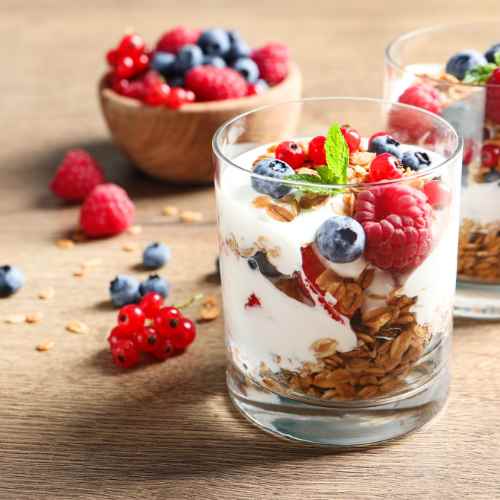
When it comes to a healthy breakfast, yogurt with granola is a perennial favourite. It’s a universally acknowledged truth that a healthy breakfast is not only the key to a balanced diet but also the best way to make an energetic start to your day. The winning combo of yogurt and granola isn’t just delicious; it’s packed with nutritional benefits that can kick-start your morning, and keep you feeling satisfied and energetic throughout the day.
Whether you’re an early riser or a reluctant morning person, let’s dive in to discover why a yogurt bowl with granola might just become your new favourite way to start the day.
It all Begins with a Healthy Breakfast
A healthy breakfast sets the tone for an energetic and productive day. While we sleep, our bodies are still working, using up stores of energy that need to be replenished when we wake. A nutritionally balanced breakfast provides us with the essential nutrients and energy to perform effectively throughout the day.
What’s more, a healthy breakfast can help regulate metabolism and prevent snacking on high-calorie foods later in the day. Skipping this crucial meal can lead to increased hunger and potentially overeating, which can be counterproductive if you’re aiming for a balanced and healthy lifestyle.
So, why is yogurt with granola healthy?
Yogurt with granola is super nutritious, providing a harmonious blend of proteins, healthy fats, fibres, and essential vitamins and minerals that complement each other perfectly. Throw in some fruit and the list of benefits just gets longer.
The health benefits of yogurt
Yogurt is renowned for its numerous health benefits, making it an excellent choice for breakfast.
- High in Protein: Yogurt is packed with protein, which is essential for building and repairing body tissues. Not only that, but it keeps you feeling fuller for longer.
- Rich in Calcium: A great source of calcium, yogurt is ideal for helping to maintain strong, healthy bones and teeth.
- Good for Gut Health: Yogurt contains probiotics, beneficial bacteria that can enhance gut health and aid digestion.
- Boosts Immunity: The probiotics in yogurt can also strengthen your immune system, helping your body resist infections.
- Vitamins and Minerals: Yogurt is rich in a wide variety of vitamins and minerals, particularly B vitamins, calcium, and phosphorus.
The health benefits of granola
Granola, a crunchy and delicious addition to your breakfast, also boasts numerous health benefits:
- Packed with Fibre: Granola is an excellent source of dietary fibre, which aids in digestion and helps maintain a healthy digestive system.
- Healthy Fats: Many granolas include nuts and seeds which contain healthy fats, essential for heart health and maintaining cholesterol levels.
- Energy Booster: Granola is a concentrated source of energy, ideal for kick-starting your day or fueling physical activity.
And then there’s fruit. All around general good guy.
Fruit offers some incredible health benefits. Rich in vitamins, minerals, and dietary fibre, fruit can aid digestion, strengthen the immune system, and even promote skin health. Most fruits are packed with antioxidants, which fight against harmful free radicals, reducing the risk of chronic diseases like heart disease, cancer, and diabetes. Additionally, the natural sugars in fruit provide a quick, healthy energy boost, making it a perfect addition to your morning yogurt bowl.
Is granola with dried fruit good for you?
Absolutely. Granola with dried fruit can be a healthy choice, but it’s important to consider the quality and quantity of ingredients. Dried fruits can enhance the nutritional profile of granola by adding fibre, vitamins, and antioxidants. However, they can also increase sugar content, so it’s recommended to choose options with no added sugars or artificial sweeteners. Find out more about the sugar content of granola in our article on low-sugar granola.
The Perfect Pairing – Yogurt with Granola
As we have seen, from a nutritional standpoint yogurt and granola make the perfect pair. Especially when a portion or two is thrown into the mix. But just why do granola and yogurt work so well together?
Yogurt and granola create a symphony of taste and texture that is simply irresistible. The creaminess of yogurt provides a perfect contrast to the crunch of granola, delivering a satisfying mouthfeel with every bite. The tangy flavour of yogurt enhances the sweetness of the granola, which can be further enriched by the inclusion of dried fruits or a drizzle of honey. Also, the cool freshness of yogurt is balanced by the comforting oven-baked homeliness that is granola.
Creating the perfect breakfast yogurt bowl
The beauty of this pairing lies not only in its deliciousness but also in its versatility. You can make endless combinations of yogurt, granola, and fruit yet there is one thing that won’t change. Your yogurt bowl will only be as good as the quality of your ingredients.
Choose healthy yogurt
- Opt for Plain Yogurt: Flavoured yogurts often contain high quantities of added sugars. Opt for plain, unsweetened yogurt.
- Check the Fat Content: Yogurts come in non-fat, low-fat, and full-fat versions. Depending on your dietary requirements and preferences, choose one with a suitable fat content. However, remember that full-fat yogurt tend to be more satiating.
- Look for Live Cultures: Yogurts with live and active cultures are a fantastic source of probiotics, which can enhance gut health. Look for labels that indicate the presence of these beneficial bacteria.
- Choose Organic: If possible, go for organic yogurt. This is made from the milk of cows that haven’t been given antibiotics or artificial growth hormones.
- Consider Greek Yogurt: Greek yogurt is strained more times than traditional yogurt, making it thicker and creamier. It is also packed with protein, making it a great option for a filling breakfast.
- Avoid Artificial Additives: Some yogurts contain artificial flavours, colours, or sweeteners. Check the ingredient list thoroughly to ensure your choice is as natural and healthy as possible.
Choose healthy granola
- Read the Ingredients List: Always check the ingredients list. The healthiest granolas are usually those with the fewest and most recognisable ingredients.
- Look for Whole Grains: Make sure whole grains are at the top of the ingredient list. Find out more in our article about whole grains for a healthy breakfast.
- Check the Sugar Content: Some granola can be high in added sugars. Look for granola with less than 6g of sugar per serving. Be aware of different names for sugar like honey, brown rice syrup, or cane sugar.
- Avoid Artificial Additives: As with yogurt, granola should be as natural as possible. Avoid brands that include artificial flavours, preservatives, or colours.
- Look for Healthy Fats: Granola containing nuts, seeds, or oils like olive or coconut can provide healthy fats which are essential for your body and brain.
- Consider Protein Content: To make your granola more filling, look for options that contain nuts, seeds, or a source of protein like whey or casein.
- Watch Serving Sizes: Granola can be dense in calories, so pay attention to serving sizes. A serving is usually 1/4 to 1/3 of a cup.
Putting Together the Perfect Breakfast Parfait
Wait, what? Isn’t parfait a kind of ice cream? Sadly, no. Actually, it is but when it comes to breakfast, parfait is just a fancy name for yogurt with granola. Yogurt parfait tends to be layered in a glass, rather than piled in a bowl, in order to maximise the surprise factor of contrasting ingredients on the spoon. It is also, of course, utterly Instagrammable.
Whether you choose to layer your ingredients in a glass, or simply put them in a bowl, the concept remains the same. Take some good yogurt, some great granola, and add some fruit; fresh or otherwise. Depending on the content of your granola, you may wish to add any number of extra toppings such as nuts and seeds.
Healthy yogurt bowl ideas
Australian Berries: Layer Greek yogurt, a handful of your favourite local berries (raspberries, blueberries, strawberries), granola, and a drizzle of honey. Top with a sprinkle of chia seeds for an extra nutritional boost.
We think this would be great with our classic almond crunch granola.
Apple Cinnamon Autumn Crisp: Combine natural yogurt with stewed cinnamon apples, granola, and a sprinkle of cinnamon on top. For added crunch, toss in some sliced almonds.
Try something a little different with our crispy apple paleo granola.
Nuts About Bananas: Layer banana slices with Greek yogurt and granola. Top it off with a sprinkle of walnuts and a drizzle of almond butter.
Make it extra nutty with our award-winning maple nut crunch granola.
Choc Cherry Forest: Blend Greek yogurt with a spoonful of unsweetened cocoa powder, and add in some tart cherries and granola. Top with a sprinkle of cacao nibs.
This cranberry crunch granola would be a great substitute for sour cherries.
Pretty as a Peach: Layer peach slices, Greek yogurt, and granola. Finish with a drizzle of honey and a sprinkle of flax seeds.
This honey and macadamia crunch would be the perfect granola here.
And there you have it. We reckon yogurt and granola not only make for a delicious start to your day but also a nutritious one, providing the energy you need to power through. Remember, the beauty of a yogurt bowl breakfast is in its versatility. You can mix and match flavours, layer in your favourite fruits, or even throw in some nuts and seeds for added crunch. And don’t forget, choosing the healthiest types of yogurt and granola makes a big difference, so always read the labels. Armed with these tasty ideas, why not have a go at getting creative with your granola bowl?
Take a look at our range of healthy cereals, including some great crunchy granola to get you started.
This article was reproduced on this site with permission from operafoods.com.au the “Granola Manufacturers”.
See original article:- Yogurt with Granola – Start your Day with the Perfect Parfait
Choose Low Sugar Granola
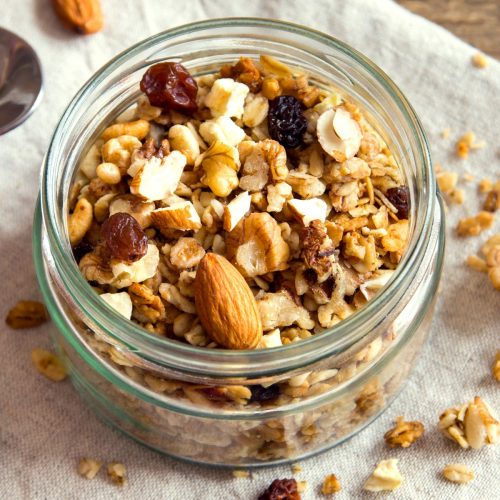
With low sugar granola you don’t have to give up your favourite breakfast cereal. When you are reducing your carb intake, or keeping an eye on the sugar you consume, the advice for breakfast is usually along the lines of ditching your breakfast cereal for something more protein focused. Which tends towards the savoury.
But what happens if you happen to like your breakfast routine? What if the crunch of cold milk and cereal is what propels you out of bed in the mornings? Nutritional benefits of cereal and milk aside, the thing that can be lacking from many a low carb diet is crunch. Or is it crisp. Maybe it is the two combined, but whatever it is it is different from the bite of apple or a stick of raw carrot.
The more foods that you eliminate from your diet, the harder it can be to find food that satisfies on all levels. Granola is often the first to go, with its combination of grains, fat and sugar. No wonder we like it so much. But there is just something about granola, and as a foodstuff it is entirely unique. More than muesli, not quite flapjack, and defo not porridge; when you want granola nothing else will do.
What is low sugar granola?
There are gluten free options for granola, and even completely grain free granola, but today we are focusing on sugar.
Overconsumption of sugar is a big issue, and most of underestimate the amount we eat or even the ill effects it can have in the long term. Sugar in breakfast cereals is a massive problem, with many cereals containing over 40% sugar. That’s a big number, when you really stop and think about it.
For cereal to be considered low sugar, ideally it should contain less than 10% sugar and above 3% fibre (the fibre content helps to offset the glycaemic load). Remember we mentioned the fat in granola? That’s the stuff that makes it clump together and sets it apart from muesli. That also helps to lower the glycaemic load.
The final thing you are looking for in a low sugar granola or cereal is that it contains no refined sugars.
The difference between refined and unrefined sugars
The first thing that you need to understand is that sugar is sugar. Keeping your intake to a minimum is always the goal. But when it comes down to it, natural unrefined sugars are always going to trump the refined white stuff. Not to mention all the weird commercial ingredients that are ultra refined, such as corn syrup.
But unrefined sugars are closer to natural whole foods, and as such contain more of the nutritional good stuff in the plant.
Forms of natural sugar
Coconut sugar
Coconut sugar is ideal when you need a crystallised sugar replacement. Sugar is used in so many products partly because it brings specific qualities that syrups do not. Coconut sugar does not taste of coconut, but has a light caramel sweetness like pale brown sugar. A natural source of vitamins and minerals, coconut sugar has a lower GI (35) than most sugars and syrups.
Honey
The original natural sweetener, honey is very very sweet and has a high GI of 50. A little, however, does go a very long way. Raw honey is of huge nutritional value. It has antioxidant and anti inflammatory properties, as well as a rich and varied vitamin and mineral profile. Honey also offers huge depth of flavour, that other sweeteners can lack.
Coconut nectar
Coconut nectar is the liquid version of coconut sugar. It is less sweet than honey.
Maple syrup
Rich in minerals, with a distinctive flavour, maple syrup has a high GI of 54. Again though, a little goes a very long way.
Agave syrup
Agave syrup is often used as a vegan alternative to honey. It has a fairly neutral taste, and a low GI of 17. Despite this, it is very sweet and, as with most of these natural liquid sugars, goes a long way. It is easier to use and control than honey as it is far runnier.
Dried fruit
Dried fruit may be a source of concentrated sugar, but is also full of fibre, as well as vitamins and minerals. Still intact, as a whole fruit, dried fruit is one the best natural sources of sweetness. When sweetening with dried fruit, you don’t need to add as much of the other sources of natural sugar.
Spices
Often overlooked, there are several spices that can be used to bring sweetness to foods. Not inherently sweet, the sweet spices such as cinnamon and cardamom do help to enhance sweet flavours. Cinnamon is also know to help lower blood pressure. Vanilla is also excellent at increasing the sensation of sweetness in a dish.
What’s in my low sugar granola?
Our famous roasted almond crunch does contain very small quantities of sugar to allow for it’s superior texture yet still comes in at under 10% sugar. The bulk of the sweetness comes from natural agave syrup and cinnamon.
Our equally popular maple nut crunch granola is naturally sweetened with agave and maple syrups, with a touch of cinnamon. With 8.9% sugar it is our lowest sugar granola, and contains 0% refined sugar.
Our spelt and agave nut crunch is also sweetened with agave and maple syrups, with a touch of cinnamon and cardamom. It also contains less than 10% sugar, and no refined sugar at all.
Explore our range of low sugar cereals, available to buy online now with bulk buy discounts.
This article was reproduced on this site with permission from operafoods.com.au the “Healthy Cereal Suppliers”.
See original article:- Choose Low Sugar Granola
Why Oats are Still the Backbone of a Healthy Cereal
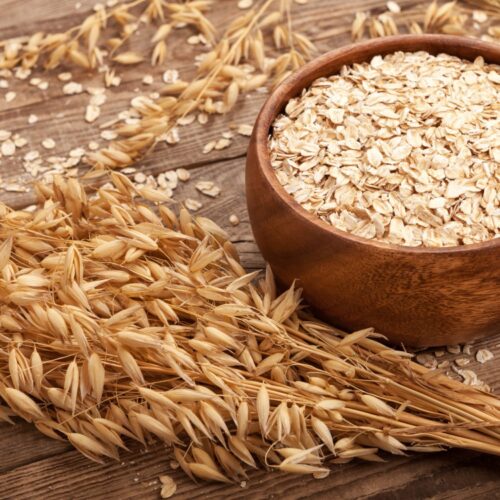
What with keto, and the controversial avenin/gluten content debate, oats have begun to get as much bad press as wheat. Yet the truth is that its very low in gluten and unless you have clearly identified that avenin causes you problems, then you should strongly consider including oats as a regular part of your diet.
The Heart of a Healthy Cereal
At Opera Foods we take our breakfast pretty seriously. We spent a long time considering ‘what makes a healthy breakfast‘ and reached the conclusion that wholegrain cereal is the healthiest breakfast of them all.
So what does that mean? Certainly not all wholegrain cereals are equal. Staying away from the big commercial brands, especially those marketed towards children, is probably a good start. When choosing a healthy cereal, muesli, granola, and porridge, are at the top of most people’s lists.
Speciality blends (such as keto or Paleo ) aside, most of these breakfast cereals have one thing in common. And that is oats. If wholegrains are truly the heart of a healthy cereal, then oats are most definitely the backbone.
Oats in Granola
The entire point of granola is those crunchy, possibly even chewy, clusters. It is one of the things that sets granola apart from muesli. Btw, which side are you on? This may help; muesli vs granola.
We have lots of lovely oat based granola blends for you to try. As well as a few that aren’t.
Oats in Muesli
When Mr Bircher first created his restorative recipe, he didn’t reach for the buckwheat or the quinoa. He choose to base his easily digestible breakfast around the restorative power of oats.
Have you tried our premium muesli blends?
Oats in Porridge
Likewise, generations of Scots have started their day on a warming bowl of porridge oats, which are a staple ingredient in Scotland. Granted, this is largely because they grow really well there and traditional foods do tend to evolve through availability. Yet oats behave in a certain way when cooked in liquid that makes porridge so appealing. They have a certain creaminess, even when cooked in water, that is inherently easy to eat. A bowl of porridge at breakfast will certainly see you through to lunch, and possibly all the way though to dinner. It is just that good.
Our five grain porridge blend is based on organic jumbo oats.
The Health Benefits of Oats
Oats have a ton of beneficial properties and can be considered a true superfood. Which is why we recommend that you only eliminate them from your diet if the downsides outweigh the good.
In short, oats can…
- help lower cholesterol
- help control insulin secretion
- help lower anxiety
- prevent blood sugar spikes
- soothe your gut
- supercharge your skin
Which is quite a lot for an unassuming and often misunderstood little grain. So how do oats manage to provide all these benefits. What supercharges this super grain?
Beta – glucan; heart healthy fibre
Beta-glucan is a soluble fibre found in many grains, yet is particularly abundant in oats.
Soluble fibre dissolves in water to form a gel, unlike insoluble fibre that passes straight through. Although both are types of fibre, they actually have the opposite effect on the body. Together they provide powerful protection for your gut.
The mucus-like gel coats and lubricates the gut lining, slowing down digestion and keeping you fuller for longer. This, in turn slows down the absorption of sugar and helps to stabilise blood sugar levels as well as improve overall blood sugar regulation.
Beta-glucan has been shown to to drastically lower LDL (unhealthy) cholesterol levels, leading to a marked improvement in total cholesterol.
Essential mineral magnesium
Things rarely work in isolation, especially when it comes to health and nutrition. Oats are known to be one of the best foods for helping to control blood sugar levels. Not only does the beta glucan help with blood sugar regulation, but oats are also a rich source of magnesium that helps to regulate insulin secretion. A diabetic double whammy, if you like.
Gramine; nature’s sedative
Oats are a traditional remedy for insomnia, depression and anxiety. We now know that they contain the alkaloid gramine, that acts as a natural sedative.
Water loving polysaccharides
Oats are also well known for their skin softening properties, and again feature highly in traditional beauty remedies. Their excellent moisturising properties are down to the sugars that they contain, which attract and hold water to lubricate the skin.
Silica; skin care’s best kept secret
The mineral silica is involved in the making of collagen and elastin, which provides the structure for firm youthful looking skin. It is also found in hyaluronic acid (yes, that one) which helps to keep the skin matrix supple.
Tocotrienol; skin soothing vitamin E
Oats are very soothing for the skin. They contain a compound known as tocotrienol, which is actually a member of the vitamin E family. As well as its skin soothing properties, it is thought to offer some protection against UV damage too.
Zinc; for problem skin and hair
As if all of this were not enough, oats also contain zinc, which is helpful in controlling sebum production. Greasy hair and breakout skin are often caused by out of control sebum production, and zinc can certainly help with this.
So that’s the lowdown on why oats are such a valuable part of a healthy diet, unless of course you do have issues with avenin sensitivity. Oats are very low in Gluten. In the USA they allow it to be called Gluten Free. Including them in your diet may reap more rewards than excluding them so we believe it is well worth serious consideration.
As always, feel free to explore our range of premium healthy cereals, available to buy online in bulk today.
This article was reproduced on this site with permission from operafoods.com.au the “Australian Breakfast Cereal Manufacturers”.
See original article:- Why Oats are Still the Backbone of a Healthy Cereal
Rice Bran – Spotlight on Whole Grain Cereals
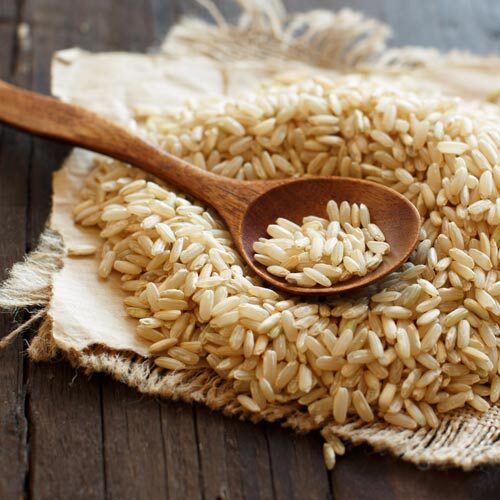
Rice bran, indeed rice in general, has been finding its way into all kind of breakfast cereals as the focus moves away from wheat. Following on from our article on the benefits of eating whole grains for breakfast, we have been exploring some of these whole grains in more detail. This time it is the turn of rice.
Rice in your breakfast cereal
How breakfast cereal has changed. Variations of crisped rice, made with super crisp refined white rice and a ton of added sugar, have been a childhood (and late night snack time) favourite forever. Yet, generally speaking, rice does not appear in the ingredients lists of your average granola, muesli or porridge.
As one of the few true gluten-free grains, rice is having a bit of a moment. Versatile beyond its side dish status, and with all the benefits that whole grains have to offer, it is no surprise that brown rice for breakfast has become a thing.
Where might you find rice in your healthy cereal? Rice comes in a variety of forms suited to breakfast cereals, so look out for puffed rice, rice flakes, or rice bran.
Puffed rice, especially puffed brown rice, is not as crisp and shell like as commercial rice crispy type cereals. It has a texture and taste closer to that of popcorn. Rice naturally has a different texture to corn so it is steamed to add moisture before being air popped in the usual manner. Puffed rice can be found in many gourmet granola mixes, particularly in gluten-free granola, but is also great on its own.
Our gluten free maple nut crunch granola contains puffed rice.
Rice flakes are thinner than oats, with a texture unlike most flaked grains. Usually steamed and then flattened most rice flakes are not meant to be eaten raw, requiring cooking or soaking to soften them. This makes them ideal for porridge style blends.
Our fig and apricot bircher muesli contains brown rice flakes.
Is rice gluten free?
Yes, rice is gluten-free.
What does brown rice taste like?
Brown rice has more flavour than refined white rice and a slightly chewier texture. It tastes slightly sweet and nutty.
Does rice have protein?
Both brown and white rice have similar levels of protein. Rice does contain some protein, but it is not considered a high protein grain such as quinoa. Quinoa is also a complete protein, whilst rice protein lacks certain amino acids.
Is rice healthy?
Most of the nutrients in rice are contained within the bran and the germ. These parts are removed in the production of white rice, yet remain intact in brown rice.
Brown rice has twice as much fibre than white rice, and is abundant in antioxidant plant compounds known as flavonoids. Rice bran is particularly rich in lignans. These are another beneficial plant compound that it is suggested can help to lower the risk of many diseases, particularly female concerns such as osteoporosis, menopause and breast cancer.
The vitamin and mineral content of brown rice is higher than that of white rice, and it is particular rich in manganese, as well as a good source of magnesium, selenium, and B vitamins.
Which rice is the healthiest?
As we have seen, brown rice has far more nutrients than white rice, making it a healthier choice than white rice.
Yet, even white rice, although not as nutritious as brown rice, has its virtues. Not just gluten-free, it also has the benefit of being really easy on the digestion. Particularly good for those who may not even tolerate oats, white rice flakes make the ideal porridge and are a gentle way to start your day.
Next time you are buying breakfast cereal, look out on the label to see if it includes brown rice. And don’t forget that we have a range of healthy cereals at our online wholesale grocery store.
Find out more about what makes a healthy breakfast in our in-depth article.
This article was reproduced on this site with permission from operafoods.com.au the “Healthy Cereal manufacturers and distributors”.
See original article:- Rice Bran – Spotlight on Whole Grain Cereals