
Why Premium Cereal for Independent Retailers Delivers Stronger Margins than Mainstream Brands
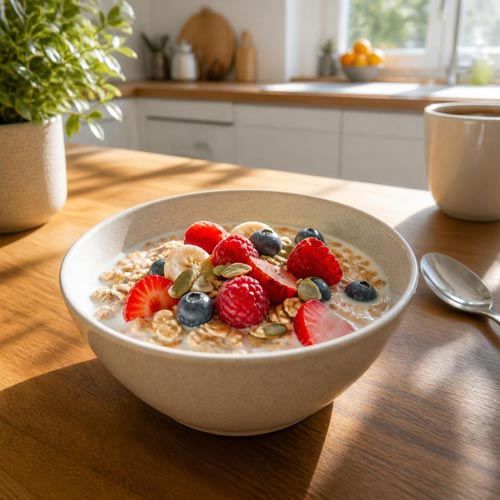
You probably stock breakfast cereal the same way you always have. A few mainstream brands take up most of the shelf, chosen because they’re familiar and they move. The margins are thin, but the volume is reliable, and nobody gets fired for stocking frosted flakes.
The problem is that this logic was built for a version of the cereal aisle that no longer exists. Category data across Australian retail shows granola and muesli growing steadily while traditional breakfast cereals flatten or decline. The shopper standing in front of your shelf in 2026 is not the same shopper who stood there ten years ago.
A growing share of them are actively looking for something the mainstream brands don’t offer, whether that’s clean-label granola, low-sugar muesli, or gluten-free options that actually taste like something. When they can’t find it in your store, they’re not switching to cornflakes. They’re going somewhere else. That’s where premium cereal starts to make financial sense for your store, and it has nothing to do with chasing a trend.
This article walks through why the margins work, from shelf-space arithmetic and price positioning through to on-shelf performance and what to look for in a supplier.
What margins does premium granola earn per shelf metre?
The first thing to understand is that premium cereal operates on a different margin structure to mainstream. A 500g bag of clean-label granola from an Australian manufacturer might wholesale at two to three times the unit cost of a mass-market box. But it retails at a price point where the per-unit margin, in dollars rather than percentage, is stronger.
But what matters even more for your store is the return per metre of shelf space. A mainstream cereal might turn faster, but if four facings of premium granola generate the same gross profit as eight facings of a national brand, the granola is earning its space more efficiently. You have limited shelf real estate, as every independent does, and that’s the number that counts.
How does premium cereal protect you from price competition?
If you’re competing on price against the major supermarkets, you’re playing a game with a known outcome. The big chains will always have more buying power, more promotional support, and more willingness to use cereal as a loss leader to drive foot traffic. Stocking the same mainstream brands at competitive prices is a race to the bottom you cannot sustain.
Premium cereal sidesteps this entirely. A customer buying a bag of Australian-made granola is not comparing your price to the supermarket down the road. They’re buying something the big chains either don’t stock or bury in a health-food aisle that feels like an afterthought. The purchase decision is driven by product quality and availability, not by price comparison. That’s the only terrain where you have a structural advantage.
This is a margin argument as much as a competitive one. When a product isn’t being shopped on price, you’re not under pressure to discount it. The margin you set is the margin you keep.
How does premium granola perform once it’s on the shelf?
One of the advantages of premium cereal is how it behaves once it’s on the shelf. Clean-label products with short ingredient lists and genuinely good taste tend to build habitual buyers faster than mainstream alternatives. The customer who tries a bag of premium granola and likes it doesn’t go back to scanning the cereal aisle. They come in looking for that specific product.
What this means for margin is less obvious but more important than the per-unit number. A habitual buyer costs you almost nothing to retain. You’re not running a promotion to move the product, which means the margin you built into the retail price stays intact rather than being eroded by a two-for-one or an end-of-aisle discount. You’re not absorbing dead stock because it sat too long.
Product that moves on a predictable cycle doesn’t get marked down or written off on your shelves, and in a perishable-adjacent category like cereal that matters more than you might think. And you’re reordering on a rhythm you can plan around, which means tighter inventory management, fewer emergency top-ups, and less cash sitting on the shelf between deliveries. Every one of those factors feeds margin. Not on the price tag, but on the cost side of the equation that you might not be factoring into your shelf decisions.
What should you look for in a wholesale cereal supplier?
Not all premium product is created equal, and if you’re choosing a supplier for the first time you should be evaluating the relationship through a margin lens, not just a product one.
Australian-made matters to the shopper. It’s a trust signal and a differentiator against imported health-food brands that trade on packaging more than provenance. But it also matters to your margin, because Australian provenance supports the price point at retail. It’s a reason to buy that the customer already understands.
The practical details matter just as much. Buying direct from the manufacturer, without a distributor margin layered in, protects your per-unit number at the point where it’s most vulnerable. And award-winning products reduce the selling effort at shelf. They give the product a credential that does some of the work your staff would otherwise have to do, which is a labour cost most stores don’t think of as a margin factor.
The question isn’t whether premium cereal belongs in your store. It’s how much shelf space you’re currently giving to low-margin mainstream product that could be earning more for every centimetre it occupies.
If you’re ready to see what premium cereal could do for your margins, request wholesale pricing and samples from the Plum Foods wholesale cereal page for independent retailers.
This article was reproduced on this site with permission from operafoods.com.au the “Cereal for Retailers Suppliers”.
See original article:- Why Premium Cereal for Independent Retailers Delivers Stronger Margins than Mainstream Brands