
Category: Gluten Free
What Independent Retailers Need to Know About Keto Granola
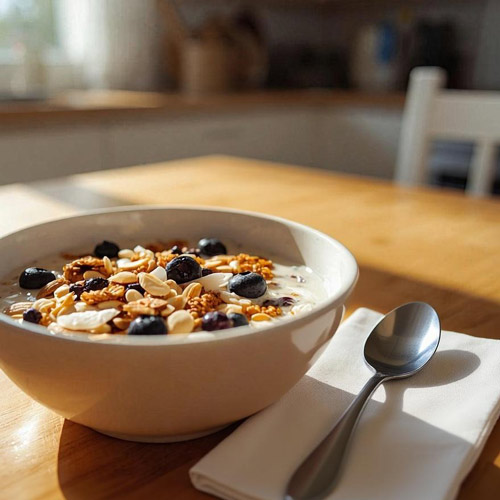
A customer walks into your store looking for a keto-friendly breakfast cereal.
This is not a casual shopper. Keto buyers are informed, they are consistent, and they are looking for a specific product that fits a deliberate dietary framework. A retailer who understands what keto granola actually is, and stocks it accordingly, earns a customer who comes back regularly.
This article gives you the product knowledge to stock keto granola with confidence and to position it so the right customers can find it.
What is keto granola, and how is it different from gluten-free granola?
Keto granola is a grain-free cereal built on a base of nuts and seeds. That makes it a fundamentally different product from gluten-free granola, not a variation of it.
Keto granola is built from nuts and seeds, not grains
Standard gluten-free granola is formulated to exclude gluten-containing grains, using alternatives such as certified gluten-free oats, puffed rice, or buckwheat as its base. A typical gluten-free granola will contain 30 grams or more of total carbohydrates per serving, with net carbs not far below that figure.
Keto granola is built differently from the ground up. There are no oats, no rice flakes, and no grain-derived base of any kind. Instead, the structure comes from a combination of nuts, seeds, and often shredded coconut or coconut flakes. These ingredients are bound together using a fat-based mixture, most commonly coconut oil or nut butter, and sweetened with a low-glycaemic sweetener such as erythritol, monk fruit, or a combination of the two.
The result is a product with a fundamentally different nutritional profile, high in fat, moderate to high in protein, and very low in net carbohydrates. It looks like granola, it eats like granola, but it is made of almost entirely different things.
The Opera Foods brand Plum Foods makes two keto granolas that are grain-free, high protein, gluten-free, and vegan, sized at 500g for retail. The Blueberry Keto Granola and Cinnamon Keto Granola tick every box a keto customer checks on the label.
What does a keto customer look for on the label?
A keto customer reads the nutrition panel before they read anything else on the pack. They are checking three things: net carbohydrates, protein and fat ratios, and the sweetener used. They are usually informed enough to disqualify a product on the spot if any of those numbers or ingredients fall outside what they are looking for.
Net carbohydrates
Net carbs, calculated as total carbohydrates minus dietary fibre, is the number that determines whether a product fits within a ketogenic eating pattern. Most people following keto aim to keep their daily net carb intake below 20 to 50 grams, depending on their approach. A serving of keto granola should contribute only a small fraction of that budget. Products that use fibre-rich seeds and keto-compliant sweeteners can achieve very low net carb counts per serving, which is why the ingredient composition is so directly tied to the nutritional outcome.
Protein and fat
Keto eating is high-fat with moderate protein, not simply low-carb. A nut-and-seed granola naturally delivers significant fat from the nuts, coconut, and binding fats used in production. Protein comes primarily from the nuts and seeds themselves. The keto customer is reading these numbers not out of curiosity but because they are tracking them.
Sweetener and grain-free status
Two things can disqualify a product at the label stage. The first is the presence of grains (including oats listed as gluten-free) and the second is high-glycaemic sweeteners such as honey, maple syrup, rice malt syrup, or cane sugar. Keto customers know which sweeteners are keto-compliant and which are not, and they will put a product back on the shelf if the ingredient list contains one they are avoiding.
Does keto granola sell consistently?
Yes, and the repeat purchase rate in this category is driven by the nature of keto eating itself rather than by brand loyalty alone.
Keto has shifted from diet trend to permanent preference
The early wave of keto adoption was diet-culture driven. People trialled keto for weight loss, saw results, and then cycled off. That wave has largely settled, and what remains is a stable population of people who eat low-carb or ketogenic not as a temporary measure but as their ongoing way of eating. For this customer, breakfast is a recurring need, not a seasonal experiment. A keto granola that tastes right, behaves correctly in a bowl with milk or yoghurt, and fits their macro targets will become a weekly purchase.
High protein content broadens the repeat buyer base
Keto granola’s high protein content extends its appeal beyond strict keto customers. The grain-free, high-protein cereal category overlaps with general low-carb approaches and the broad consumer shift toward higher-protein breakfasts. A customer who is not tracking ketogenic macros precisely but who avoids grains or seeks high-protein breakfast options is also a potential repeat buyer. This broadens the purchase base without diluting the core keto positioning.
Keto granola is one piece of a broader dietary cereal section. If you are considering how it fits alongside gluten-free and paleo options, the Opera Foods guide to building a dietary cereal range for retail covers how to range and sign all three profiles effectively.
A short repurchase cycle drives consistent reorders
A 500g bag of keto granola yields around 16 serves at a standard 30g serve size, roughly two to three weeks of daily breakfasts for one person. That repurchase cycle is relatively short. Unlike a specialty condiment or a seasonal product, keto granola is a routine consumable, and a customer who commits to it will return consistently.
Where should keto granola be positioned in-store?
Keto granola should be positioned as keto first. Placing it in or adjacent to the gluten-free section because it is also gluten-free is a common stocking mistake that reduces its visibility to the customer it is actually designed for.
Position keto granola as keto, not as gluten-free
If your store has a dedicated health food or specialty dietary section, keto granola belongs there, with keto or low-carb as the primary category identifier. If your cereal range is shelved together, a clear keto grouping of two or three products is more effective than integrating keto granola into the broader gluten-free or natural cereal run. The keto customer knows what they are looking for and the shelf just needs to make it findable.
Where possible, positioning keto granola at eye level in the health food section, rather than on a bottom shelf beside the bulk gluten-free products, signals that the category is a genuine stocking choice rather than an afterthought.
Use signage that leads with the word keto
Simple shelf signage using the word “keto” outperforms more elaborate descriptions for this customer. They are not browsing. They are searching. A small card that reads “Keto Granola, grain-free, high protein” answers the question before they pick the product up. You can add secondary descriptors such as “gluten-free” and “vegan” for customers who are cross-referencing multiple dietary requirements, but keto should lead.
What should floor staff know about keto granola?
The most common customer question in this category is some version of “What’s actually in it?” The keto customer asking this is not looking for reassurance. They want to verify the product against their own knowledge of keto-compliant ingredients.
What staff should be able to explain about the ingredients
Floor staff should be able to explain three things with confidence. First, keto granola is made from nuts and seeds, not oats or any grain, which is what makes it low in net carbohydrates. Second, the sweetener used is keto-compliant, typically erythritol or monk fruit, not sugar or honey. Third, it is also gluten-free and vegan, which means customers with multiple dietary requirements can often use it.
Staff do not need to know the precise macros off the top of their heads. What they do need to avoid is describing keto granola as “like regular granola but healthier” or “similar to gluten-free granola”, because both comparisons obscure what actually makes it different and can mislead a customer whose decision depends on specifics.
Serving suggestions staff can offer at the point of sale
Keto granola works with unsweetened dairy or plant milks, with full-fat yoghurt, or eaten dry as a snack. It does not require cooking or preparation beyond adding liquid. For customers who are new to keto eating and uncertain how to use it, this is a useful practical point that staff can offer when the question comes up.
Keto granola is a genuine retail category with a well-informed, loyal customer base and a short repurchase cycle. The product knowledge is straightforward, the stocking decision is low-risk, and the customer who finds what they need will come back for it regularly. The main job is making it findable as keto, not hiding it in the gluten-free aisle.
Ready to stock keto granola? Browse the full Opera Foods keto granola range and order wholesale online.
This article was reproduced on this site with permission from operafoods.com.au the “Wholesale Retail Suppliers”.
See original article:- What Independent Retailers Need to Know About Keto Granola
Is There Such a Thing as Gluten Free Granola?
Gluten free granola is just one example of a free-from product where you just think ‘Well surely that’s obvious”. But when it comes to products with certain dietary requirements such as vegan or gluten-free, there is often more to it than meets the eye. In this article, we look at the things you need to consider when shopping for gluten free granola.
Gluten and Granola
The key ingredients in granola generally include grains (including but not limited to oats) some form of sweetener such as honey or brown sugar, and a variety of mix-ins such as nuts, seeds and dried fruits. Finally, many granola recipes include a bit of oil or another form of fat to help achieve that appealing crispy texture when baked.
Gluten grains in granola
Sometimes your granola may contain one of three gluten-containing grains, such as wheat, rye, or barley, with wheat being the most likely. Usually, it would be in the form of flour to help create those all-important crunchy clusters, or bran to help boost the fibre content.
Oats in granola
Oats are pretty much non-negotiable in a traditional granola recipe. And whilst oats are fairly benign in terms of gluten content, they may cause sensitivity issues in some people.
The first is the possibility of cross-contamination with gluten-containing grains. So unless your oats are certified as gluten free, then they may contain trace amounts of gluten.
The second is the contentious subject of gluten proteins in oats. Whilst oats do not contain the same gluten proteins as wheat, they do have their own glutens known as avenins. These have been shown to cause sensitivity in some people.
Find out more about this in our article ‘are oats gluten free?’
Labelling and gluten free certification
The final thing to consider is whether your granola carries gluten free certification. For some, it is a choice. For others, such as coeliacs or those with high levels of sensitivity, traces of gluten are a definite deal breaker. It’s important to read labels carefully or choose brands that explicitly state they are gluten-free to ensure you’re avoiding gluten in your granola.
You can find out more about food labelling in our introduction to gluten free food
Gluten Free Granola
Yet thankfully, none of this means that granola is off the menu. Gluten-free granola moves away from traditional ingredients that may contain gluten, focusing instead on elements that offer the same satisfying crunch without the gluten.
The base typically includes certified gluten-free oats, a crucial distinction as these oats are carefully processed to ensure there’s no cross-contamination with gluten-containing grains. The sweetener used remains the same – honey or brown sugar – and the mix-ins continue to be varied and customizable. Nuts, seeds, and dried fruits are naturally gluten-free and add both texture and flavour. Puffed quinoa or buckwheat groats may also be used for added crunch and nutrition.
Again, reading labels or choosing trusted gluten-free brands becomes essential when selecting these ingredients to ensure they have not been processed in facilities where cross-contamination could occur.
Granola without Oats
For those who prefer to avoid oats altogether, there is now a growing number of alternatives that are made without oats. In order to retain the classic characteristic of crunchy clusters no oat granola may contain a gluten-free grain flour such as rice flour, as well as popular alternatives such as quinoa or buckwheat.
You might like our award-winning Maple Nut Crunch Gluten Free Granola.
Or if your on a Keto Diet then consider one of our Keto Friendly Granola. Our Keto Granolas like Almond Cinamon are also Vegan and Gluten Free
Grain free granola
And then there is grain-free granola, made without the addition of grains of any kind. These types tend to focus heavily on pseudograins and seeds, as well as dried fruit, and have a looser less clumpy texture.
If you are interested in the concept of a grain-free diet, read our article about why going grain-free may be the answer to gluten free.
Is Paleo granola gluten free?
Yes, Paleo granola is gluten free, and also grain-free.
You might like our Crisp Apple Paleo Gluten Free Granola which is grain-free.
As we have seen, cereal is not necessarily off the menu for those on a gluten free diet. Why not explore our range of gluten free cereals today?
This article was reproduced on this site with permission from operafoods.com.au the “Gluten Free Granola Manufacturers”.
See original article:- Is There Such a Thing as Gluten Free Granola?
The 5 Big Benefits of Buckwheat

Buckwheat is a small heart shaped pseudo-grain that has many benefits for our health. Not a true cereal, it actually belongs to the same family as rhubarb. But what exactly are the benefits of buckwheat?
1. Buckwheat is gluten free
There is a lot of confusion these days around some true grains that although considered gluten free, do actually contain some gluten proteins that can trigger a reaction. As a pseudo-grain, one of the best benefits of buckwheat is that it is completely gluten free. Because of this, it finds its way into many gluten free cereals such as our delicious gluten free maple nut crunch.
Buckwheat groats are also an excellent addition to your arsenal of gluten free grains.
2. Buckwheat supports hormonal balance
Buckwheat is rich in a group of plant hormones known as lignans, that have been shown to promote hormone balance in both men and women. Studies also suggest that these may also help to protect against breast cancer.
3. Buckwheat is great for your skin
It is particular good for sensitive skin. With antioxidant rutin for strengthening capillary walls, and anti inflammatory quercetin, this little seed is really good at calming the flare ups associated with sensitive skin and conditions such as rosacea or eczema.
4. Buckwheat is good for your gut
Buckwheat is a rich source of fibre; both soluble and insoluble. Not only does this help to balance blood sugar levels and lower LDL cholesterol, but helps with healthy digestion too. Soluble fibre lubricates and soothes the gut, whilst the insoluble fibre acts as a prebiotic, keeping the balance of the gut microbiota in check.
5. Buckwheat is a good source of energy
Slow release carbohydrates help maintain blood sugar levels, providing a sustainable course of steady energy. Magnesium and manganese help the body to metabolise this carbohydrate efficiently. In fact buckwheat contains over half the recommended daily allowance of magnesium, making it a truly rich source of this valuable mineral.
As if all these weren’t enough, the antioxidant content of this nutrient rich seed give it some flawless heart healthy credentials too.
We believe that whole grains are the heart of a healthy cereal but did you know that sprouted grains come with extra benefits? Sprouting turns the stored energy inside grains and seeds into raw plant energy, making them more easily digestible and increasing the bioavailability of the nutrients.
How to sprout buckwheat
For sprouting you need the raw seeds. You can tell the difference by looking at the colour; toasted buckwheat is golden brown whilst raw buckwheat is green.
Soak the raw groats for 30 mins, then drain and keep moist until they sprout. You can use a damp j cloth, or layers of kitchen roll, as long as you make sure to prevent them drying out. Once they sprout, eat them soon as they can deteriorate quite quickly.
We stock a range of premium healthy breakfast cereals, including those that are vegan, gluten-free, and even paleo.
If you would like to learn more about what makes a healthy breakfast, be sure to read our in-depth article.
This article was reproduced on this site with permission from operafoods.com.au the “Healthy Australian Cereals Manufacturer”.
See original article:- The 5 Big Benefits of Buckwheat
Rice Bran – Spotlight on Whole Grain Cereals
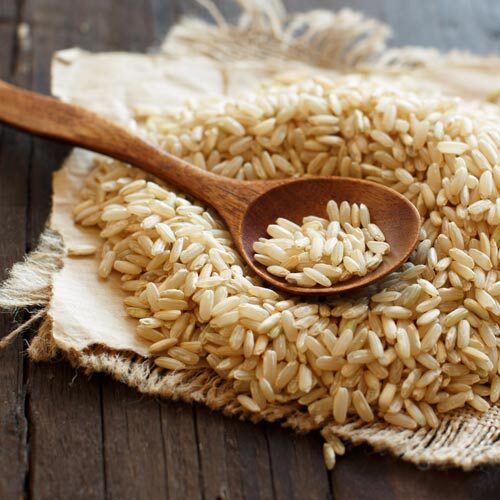
Rice bran, indeed rice in general, has been finding its way into all kind of breakfast cereals as the focus moves away from wheat. Following on from our article on the benefits of eating whole grains for breakfast, we have been exploring some of these whole grains in more detail. This time it is the turn of rice.
Rice in your breakfast cereal
How breakfast cereal has changed. Variations of crisped rice, made with super crisp refined white rice and a ton of added sugar, have been a childhood (and late night snack time) favourite forever. Yet, generally speaking, rice does not appear in the ingredients lists of your average granola, muesli or porridge.
As one of the few true gluten-free grains, rice is having a bit of a moment. Versatile beyond its side dish status, and with all the benefits that whole grains have to offer, it is no surprise that brown rice for breakfast has become a thing.
Where might you find rice in your healthy cereal? Rice comes in a variety of forms suited to breakfast cereals, so look out for puffed rice, rice flakes, or rice bran.
Puffed rice, especially puffed brown rice, is not as crisp and shell like as commercial rice crispy type cereals. It has a texture and taste closer to that of popcorn. Rice naturally has a different texture to corn so it is steamed to add moisture before being air popped in the usual manner. Puffed rice can be found in many gourmet granola mixes, particularly in gluten-free granola, but is also great on its own.
Our gluten free maple nut crunch granola contains puffed rice.
Rice flakes are thinner than oats, with a texture unlike most flaked grains. Usually steamed and then flattened most rice flakes are not meant to be eaten raw, requiring cooking or soaking to soften them. This makes them ideal for porridge style blends.
Our fig and apricot bircher muesli contains brown rice flakes.
Is rice gluten free?
Yes, rice is gluten-free.
What does brown rice taste like?
Brown rice has more flavour than refined white rice and a slightly chewier texture. It tastes slightly sweet and nutty.
Does rice have protein?
Both brown and white rice have similar levels of protein. Rice does contain some protein, but it is not considered a high protein grain such as quinoa. Quinoa is also a complete protein, whilst rice protein lacks certain amino acids.
Is rice healthy?
Most of the nutrients in rice are contained within the bran and the germ. These parts are removed in the production of white rice, yet remain intact in brown rice.
Brown rice has twice as much fibre than white rice, and is abundant in antioxidant plant compounds known as flavonoids. Rice bran is particularly rich in lignans. These are another beneficial plant compound that it is suggested can help to lower the risk of many diseases, particularly female concerns such as osteoporosis, menopause and breast cancer.
The vitamin and mineral content of brown rice is higher than that of white rice, and it is particular rich in manganese, as well as a good source of magnesium, selenium, and B vitamins.
Which rice is the healthiest?
As we have seen, brown rice has far more nutrients than white rice, making it a healthier choice than white rice.
Yet, even white rice, although not as nutritious as brown rice, has its virtues. Not just gluten-free, it also has the benefit of being really easy on the digestion. Particularly good for those who may not even tolerate oats, white rice flakes make the ideal porridge and are a gentle way to start your day.
Next time you are buying breakfast cereal, look out on the label to see if it includes brown rice. And don’t forget that we have a range of healthy cereals at our online wholesale grocery store.
Find out more about what makes a healthy breakfast in our in-depth article.
This article was reproduced on this site with permission from operafoods.com.au the “Healthy Cereal manufacturers and distributors”.
See original article:- Rice Bran – Spotlight on Whole Grain Cereals
Apple Supreme Paleo is Gluten Free and Organic
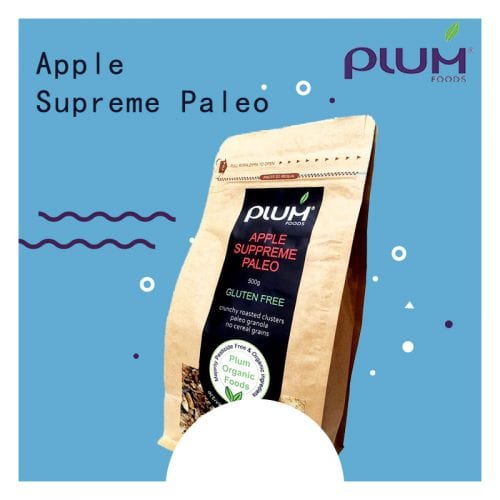
Apple Supreme Paleo by Plum Foods is gluten-free and organic. Plum Foods are the manufacturers of high nutrient wholesale granola. Cereal manufacturers Plum Foods also distribute nutritious breakfast cereals such as bircher muesli, granola, gluten-free, vegan as well as organic oats for making porridge. Apple supreme paleo contains no added sugar do it is a low sugar cereal and it has a fruity flavour which will revive you with a chewy fruity taste. Apple supreme paleo is ideal for healthy breakfasts. This delicious paleo muesli can be eaten with milk, almond milk, fresh fruits and yoghurt. Apple supreme paleo is a palatable paleo granola which contains no cereal grains and it is Gluten Free.
Apple supreme paleo are made with insecticide free almonds, organic shredded coconut, honey, organic dried apple, organic virgin coconut oil, almond meal, organic sunflower seeds, raisins, organic pepitas, organic dried cranberries, organic linseed, organic cinnamon, baking powder and organic vanilla powder.
Visit our site to know more details about the product. Buy apple supreme paleo and avail online discounts now.
Apple Supreme Paleo is Perfect for Nutritious Breakfast Ideas
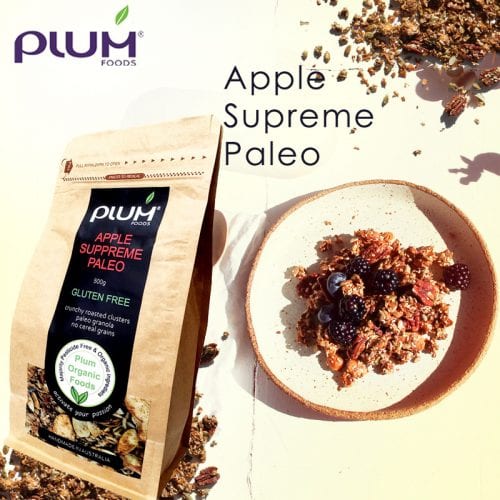
Plum Foods manufacture healthy cereals and their Apple Supreme Paleo is very popular among those that taste crisp and crunchy. Apple Supreme Paleo is an ideal healthy breakfast which contains no cereal grains. It can be eaten with almond milk and milk.
The main ingredients of Apple Supreme Paleo are organic shredded coconut, raw honey, pesticides free almonds, organic dried apples, virgin coconut oil, almond meal, organic sunflower seeds, raisins, vegetable oil, organic pepitas, organic dried cranberries, organic linseed, organic cinnamon, baking powder, organic vanilla powder and more.
It is rich in protein, fiber, minerals, vitamin E and much more. It is gluten free and organic. It contains no added sugar and it has fruity aroma which will make the heart delight.
A true paleo meal that has no cereal grains so it gluten free.
Visit our online store to know further details about the product and book your favorite products now and get online discounts.
Organic Rolled Oats A Healthy and Nutritious Breakfast Cereal
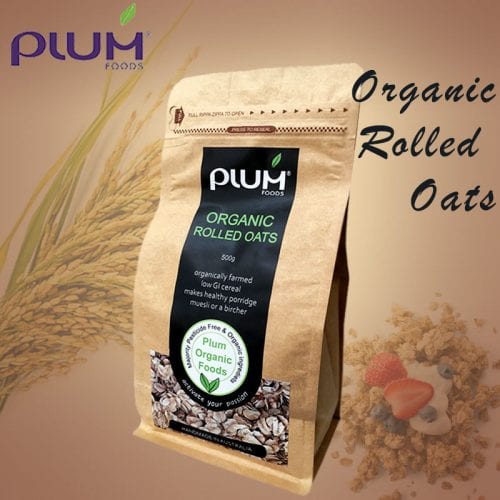
Organic rolled oats is a leading product of Australian cereal manufacturer Plum Foods that is grown organically. Organic rolled oats are rich in fiber as well as antioxidants they are among the best organic cereals.
According to the researcher, oats are considered as the healthiest breakfast cereal in Australia and is very low in gluten. Whilst Organic oats are not totally gluten free, Oats is very low in gluten and even some coeliacs can tolerate it. The researchers have suggested that people should have oaten porridge at breakfast as it increases the stamina of an individual. Organic rolled oats can be grown in cool, respective moist climate and it is suitable to grow in any type of soils that contain alkaline between 5.5 as well as 7.0. Organic rolled oats are grown pesticides free and it does not contain any respective chemical residues. Organic rolled oats are rich in fiber; therefore, it helps to lower cholesterol levels of an individual.
Plum Foods are wholesale granola manufacturers who pack and produce their own products. All our products have majority organic and/or insecticide-free ingredients which will help you in maintaining your healthy breakfast cereal diet. Buy Plum Foods organic oats here.
Try Gluten Free Recipes with Our Organic Granola and Muesli Cereal Packs
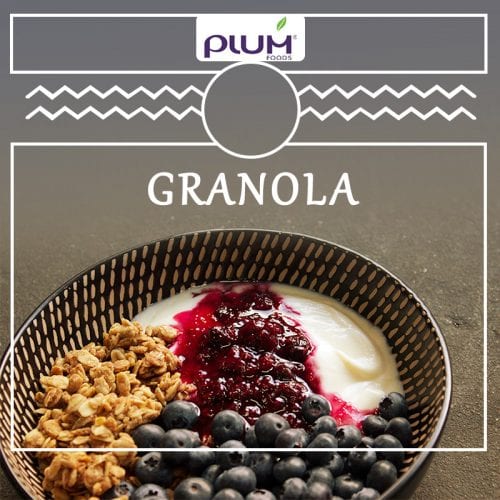
Granola and Muesli are healthy breakfast cereals which come under the category of “eat it like you would” because of the different possible ways and combinations you can have it. You can cook them and turn them into porridge, or soak them overnight and add sliced fresh fruits and dried fruits. Granola bowls and Smoothie bowls can be gluten-free when not made with rolled oats. We offer some Gluten free products with natural Australian ingredients which are manufactured under HACCP certified conditions.
Plum Foods is a gourmet granola and muesli brand, where you can find different types of healthy breakfast cereals. You can visit our online gourmet grocery shop to find more. We also offer a different brand called Mulberry Tree to promote our Muesli products there. Opera Foods are the granola suppliers and parent company which deals in all types of gourmet products and mostly our own brands. For wholesale bulk delivery to retailers, we suggest you visit our wholesale granola hub at Opera Foods.
Paleo Organic Healthy Breakfast Cereal

Apple Supreme Paleo is an organic healthy breakfast cereal by Plum Foods the Australian organic granola and muesli manufacturers of easy healthy breakfast cereals.
This is a Gluten Free organic Paleo granola. Top shelf and great easy healthy breakfast.
Buy it online from your organic cereal and Australian granola manufacturers at Plum Foods.
#paleo #glutenfree #applesupremepaleo #organic #healthybreakfastcereal #plumfoods #australianorganic #granola #organicgranola #muesli #manufacturers #mueslimanufacturers #easyhealthybreakfast #breakfastcereals #paleogranola #glutenfreegranola #healthybreakfast
Fake Gluten Free Caims by Food Outlets

A report recently published in The Medical Journal Of Australia shows, that Victorian Environmental Health Officers found numerous fake claims during their last, surprise visits, survey of food outlets. They were checking food advertised as gluten-free.
Their analysis showed that 9% were not compliant with the Food Standards Australia New Zealand definition of gluten-free. Consumption of gluten free food has become an unfortunate fad among many consumers, however it is the only treatment for those rare few with coeliac disease. An extended article on false gluten free claims is published on Opera Foods gourmet food Store.
Gluten free foods need to be manufactured in separate contamination free premises.
#plumfoods #glutenfree #falseclaims