
wholesale cafe supplies
now browsing by tag
Healthy Savoury Breakfast Recipe for Turmeric Oats
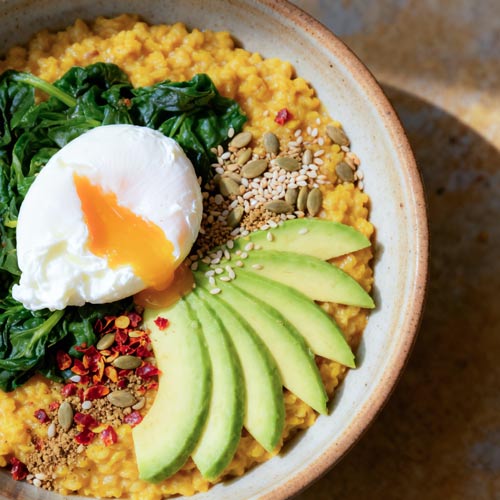
Savoury oats are one of the most exciting emerging trends in Australian breakfast service, moving far beyond sweet porridge into legitimate grain bowl territory. This golden turmeric oat bowl combines anti-inflammatory spices with protein-rich eggs and nutrient-dense greens, creating a health-focused dish that appeals to wellness-conscious customers. Perfect for positioning alongside smoothie bowls in your cafe menu.
Why Jumbo Oats for Savoury Dishes?
Jumbo oats deliver the hearty, substantial texture essential for savoury applications. Their firm bite prevents the dish from reading as “sweet porridge gone wrong,” instead creating a satisfying grain bowl experience that stands on its own merit. The larger oat pieces maintain their integrity throughout cooking and under toppings, preventing the mushiness that quick-cook oats would produce.
Recipe for Golden Turmeric Oats with Poached Egg
Serves 2 | Prep time: 5 minutes | Cook time: 15 minutes
Ingredients
For the oats:
- 150g jumbo oats
- 400ml vegetable or chicken stock
- 1 teaspoon ground turmeric
- ½ teaspoon ground cumin
- ¼ teaspoon cayenne pepper (optional)
- 1 tablespoon olive oil
- Salt and black pepper to taste
- 100g fresh spinach or kale
For serving:
- 2 poached eggs
- 1 avocado, sliced
- 2 tablespoons dukkah (or mixed seeds: pumpkin, sunflower, sesame)
- Red chili flakes
- Black sesame seeds
- Extra virgin olive oil
- Lemon wedge
Method
Begin by heating olive oil in a heavy-bottomed pan over medium heat. Add the turmeric, cumin, and cayenne, stirring for about 30 seconds until fragrant—this blooms the spices and deepens their flavour. Add the jumbo oats and stir for 1-2 minutes, coating them in the spiced oil.
Pour in your stock gradually, stirring occasionally. Unlike quick cook oats, jumbo oats absorb liquid slowly, requiring about 10-12 minutes of gentle simmering. Stir periodically to prevent sticking and ensure even cooking. The oats should remain slightly firm, not mushy—you’re aiming for that satisfying, toothsome texture.
About 2 minutes before the oats finish cooking, add your washed spinach or kale directly to the pan. The residual heat will wilt the greens into the warm oat base. Season generously with salt and black pepper. The turmeric base should be warming and slightly peppery, not bland.
While the oats cook, poach your eggs in simmering water with a splash of vinegar. The runny yolk will cascade across the warm oats, creating a luxurious sauce that ties the dish together.
Assembly
Divide the turmeric oats between two bowls, creating a slight well in the centre. Carefully place a poached egg in each bowl. Arrange avocado slices around the egg, then scatter dukkah or mixed seeds for crunch and nutty flavour. Finish with a generous pinch of red chili flakes for heat and visual pop, followed by black sesame seeds for sophistication.
Drizzle with extra virgin olive oil and serve at once with a lemon wedge for brightness. The acidity cuts through the rich yolk and turmeric warmth beautifully.
Menu Positioning Tips
This dish positions exceptionally well in a “Wellness Bowls” or “Nourish & Sustain” section of your cafe menu. Highlight the anti-inflammatory turmeric, protein from the egg, and the nutrient density of the greens. Price to reflect the premium positioning and jumbo oat base.
For cafes wanting to extend into lunch service, this same oat base works beautifully as a risotto preparation: add stock more gradually and stir constantly, building a creamy texture similar to traditional risotto. Top with roasted mushrooms, crispy sage, and parmesan for a savoury lunch option that capitalises on existing breakfast infrastructure.
Consider offering variations: mushroom and spinach (as described above), roasted pumpkin and sage for autumn positioning, or a seafood version with prawns and chili for coastal cafes. Each variation opens new customer appeal while using the same fundamental turmeric oat base.
Storage and Batch Preparation
For commercial cafe use, prepare the turmeric oat base to 80% doneness during morning prep, storing in a warm bain-marie or slow cooker on low heat. Individual portions finish to order by adding reserved hot stock, then topping with fresh components. This approach maintains quality while managing morning rush demands.
Leftover turmeric oat base keeps refrigerated for 2-3 days and reheats beautifully with added stock—perfect for prep-ahead meal options or staff meals.
Interested in maximising your menus with oats? Read our extensive guide to making the most of both quick cook and jumbo oats.
This article was reproduced on this site with permission from operafoods.com.au the “Café Supplies Wholesaler”.
See original article:- Healthy Savoury Breakfast Recipe for Turmeric Oats
Quick Cook Oats vs Jumbo Oats: A Guide for Cafes
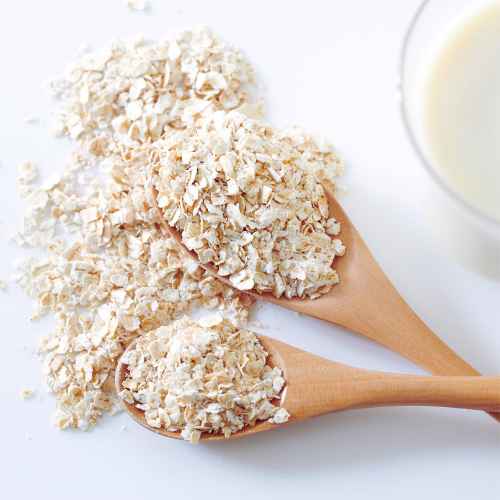
Australian cafes are constantly evolving their breakfast offerings to meet changing customer demands, and oats have become far more than just traditional porridge. Whether you’re running a high-volume city cafe or a boutique brunch destination, understanding the difference between quick cook oats and jumbo oats can transform your menu strategy. These two varieties offer distinct textures, cooking times, and creative applications that extend well beyond the breakfast bowl. From overnight oats programs to house-made granola and even savoury lunch options, choosing the right oat type can elevate your offerings and streamline your kitchen operations.
Understanding the Fundamentals
What Are Quick Cook Oats?
Quick cook oats are created through an intensive processing method where whole oat groats are steamed longer and rolled much thinner than their jumbo counterparts, then cut into smaller pieces. This processing creates a greater surface area that allows for rapid liquid absorption, which is exactly what makes them “quick”. In a commercial kitchen setting, quick cook oats typically require just 1-3 minutes of cooking time, making them ideal for fast-paced cafe service during morning rush periods.
The texture profile of quick cook oats leans toward soft, creamy, and smooth when cooked. They break down more readily during cooking, creating a porridge with less distinct oat definition but a comforting, almost pudding-like consistency.
What Are Jumbo Oats?
Jumbo oats are the opposite end of the spectrum. These are whole, uncut oats that have been rolled to the thickest specification possible while still being classified as rolled oats. The processing is gentler, preserving more of the original oat groat structure. This results in a cooking time of approximately 7-10 minutes, which requires more planning in a commercial environment but delivers exceptional texture rewards.
The hallmark of jumbo oats is their hearty, chewy, and firm texture with distinctly visible oat pieces. They keep their shape beautifully throughout cooking and are slower to absorb moisture, which makes them versatile for applications where structural integrity matters.
The Technical Differences That Matter for Cafes
Size and Appearance
The visual difference between these two oat types is immediately clear. Jumbo oats present as large, uniform oval flakes with a robust appearance that signals quality and substance. Quick cook oats, by contrast, are small and irregular in shape, often appearing as broken pieces rather than intact flakes. This size difference has direct implications for presentation: jumbo oats create a rustic, artisan aesthetic in the bowl, while quick cook oats deliver a refined, smooth appearance that works well for contemporary plating styles.
Cooking Behaviour and Batch Preparation
In commercial kitchens, understanding cooking behaviour is crucial for workflow efficiency. Quick cook oats absorb liquid rapidly, achieving the desired consistency in 1-3 minutes of active cooking. This makes them excellent candidates for made-to-order service. However, they can easily overcook if left unattended, becoming gummy or paste-like.
Jumbo oats require patience, but reward it with consistency. Their 7-10 minute cooking time allows for better batch preparation strategies. Many cafes find success pre-cooking jumbo oats to 80% doneness, then finishing individual portions to order with added liquid and toppings. The slower absorption rate also means jumbo oats are more forgiving if held for short periods during service.
Texture Results and Menu Positioning
The mouthfeel difference between quick and jumbo oats fundamentally affects how customers perceive value and quality. Quick cook oats deliver a creamy, almost silky texture that appeals to customers seeking comfort and smoothness. This softer consistency works beautifully when oats are integrated into other elements like smoothie bowls or used as a porridge base for delicate toppings.
Jumbo oats provide what many describe as a “toothsome” quality—a satisfying chew that makes each bite feel substantial. This texture profile naturally positions jumbo oat dishes at a premium price point, as customers perceive the heartier texture as more filling and artisanal. The firm bite also prevents the dish from becoming soggy when mixed with fruits, compotes, or milk alternatives.
Creative Cafe Applications: Quick Cook Oats
Overnight Oats Program
Quick cook oats are the undisputed champion for overnight oats applications due to their rapid liquid absorption capabilities. Australian cafes have embraced this prep-ahead possibility as it reduces morning pressure while offering customers a ready-to-eat, customizable breakfast option. The smaller particle size ensures even hydration throughout the mixture when left refrigerated overnight.
Trending flavour combinations in Australian cafes include vanilla latte overnight oats (incorporating espresso and vanilla bean), apple pie varieties with cinnamon and caramelised apples, strawberry banana with chia seeds, and indulgent chocolate banana options. These can be prepared in individual jars or bulk batches, portioned during morning prep, and garnished to order with fresh elements like berries, toasted coconut, or house-made brittle.
The commercial advantage is significant: overnight oats prepared with quick cook oats have a shelf life of 2-3 days when properly refrigerated, allowing cafes to prepare multiple days’ worth during slower periods. This transforms what might be a labour-intensive made-to-order item into an efficient grab-and-go option that keeps quality.
Smoothie Bowls and Blended Applications
When blended, quick-cook oats create an incredibly creamy, smooth consistency without graininess. This makes them ideal for adding body and nutrition to smoothie bowls, which continue to trend strongly in Australian cafe culture. The smaller particle size breaks down completely during blending, thickening the base while contributing a subtle, pleasant oat flavour that doesn’t overpower fruit components.
Acai bowls and matcha bowls, both experiencing robust growth with Gen Z customers in 2025, benefit from a tablespoon or two of quick-cook oats blended into the base. This addition creates a more substantial, filling meal while boosting the nutritional profile with fibre and protein. The oats also help the bowl keep its thick consistency longer, preventing the dreaded “soup bowl” effect that occurs when frozen bases melt too quickly.
Quick Porridge Service
For cafes working with high morning turnover, the 1-3 minute cook time of quick cook oats is transformative. A single cook can manage multiple porridge orders simultaneously using a stovetop or even microwave preparation method without sacrificing quality. This speed advantage is particularly valuable for cafes in business districts or near transport hubs where customers have limited time.
Modern Australian cafe-style porridge has evolved far beyond brown sugar and milk. Trending toppings include toasted marshmallow pieces for nostalgia appeal, pistachio crumble for Middle Eastern-inspired flavours, Biscoff cookie butter for indulgence, and seasonal fruits like roasted rhubarb in winter or stone fruits in summer. The creamy base created by quick-cook oats serves as an excellent canvas for these bold topping combinations.
Baking Applications
In baking contexts, quick cook oats contribute a finer texture that integrates seamlessly into batters and doughs. They work exceptionally well in breakfast muffins, where they add moisture retention and a tender crumb structure. Cafe favourites include blueberry oat muffins, banana oat bread, and morning glory muffins, where the oats help bind grated vegetables and dried fruits.
For cafes developing retail baking programs, quick cook oats excel in breakfast cookies and energy balls. Coffee cake variations with oat streusel toppings and banana bread with oat flour substitution (created by grinding quick cook oats) are popular options that extend morning traffic into all-day sales. The smaller particle size ensures even distribution throughout batters without creating textural disruption.
Creative Cafe Applications: Jumbo Oats
Premium Textured Porridge
Jumbo oats are the foundation for what many Australian cafes now market as “artisan porridge” or “premium porridge bowls”. The hearty, traditional texture with visible, distinct oat pieces creates an immediate visual impression of quality and substance. This allows cafes to command higher price points while delivering genuine value through superior texture and eating experience.
The presentation opportunities with jumbo oat porridge are substantial. The firm oat pieces hold their shape beautifully under toppings, creating distinct layers rather than a homogeneous mixture. Premium topping combinations include premium granola clusters for textural contrast, honey-roasted macadamias or walnuts, seasonal fruit compotes cooked down to concentrate flavours, and even savoury elements like crispy sage or brown butter. Some cafes are garnishing with edible flowers or microgreens to create Instagram-worthy presentations that drive social media engagement.
Granola and Muesli Production
For Bircher muesli programs, jumbo oats are ideal because they soften overnight while maintaining some textural integrity, unlike quick oats, which can become mushy. Traditional Swiss-style Bircher combines jumbo oats with grated apple, lemon juice, yogurt, and soaked dried fruits, prepared the night before service. This prep-ahead option provides another revenue stream with minimal morning labour requirements.
House-made granola bars for grab-and-go or retail sales are increasingly popular in Australian cafes. Jumbo oats bound with dates, honey, and nut butter create bars that hold together during cutting and transport while providing satisfying chew. These can be positioned as healthier alternatives to commercial energy bars, often at premium margins.
Savoury Oat Applications
Savoury porridge is one of the most exciting emerging trends in Australian breakfast and brunch service, and jumbo oats are essential for success in this application. The hearty texture prevents the dish from reading as “sweet porridge gone wrong” and instead creates a legitimate savoury grain bowl experience. Popular variations include mushroom and spinach oat porridge topped with a poached egg and chili oil, avocado toast-inspired oats with smashed avocado and dukkah, and Asian-inspired congee-style oats with spring onions and tamari.
Taking savoury applications further, some innovative cafes are preparing oat “risotto” using jumbo oats as a substitute for arborio rice. The cooking method is similar—gradually adding stock while stirring—but the final texture is unique, offering nutty flavour and substantial bite. This technique opens lunch service opportunities for oats, with applications like mushroom oat risotto, roasted pumpkin and sage oat risotto, or seafood variations for coastal cafes.
Turmeric-spiced savoury oats with wilted greens appeal to health-conscious customers seeking anti-inflammatory breakfast options. These can be positioned alongside smoothie bowls and acai bowls as part of a wellness-focused menu section.
Baking for Texture and Structure
In baking applications where textural definition is desired, jumbo oats are superior. Traditional flapjacks require jumbo oats to achieve the characteristic chewy interior and slightly crisp edges. Using quick oats would result in a dense, homogeneous bar without the textural interest that makes flapjacks appealing.
Crumble toppings for seasonal desserts benefit enormously from jumbo oats. Apple crumble, rhubarb crumble, or berry crumbles topped with a jumbo oat, flour, butter, and brown sugar mixture create satisfying textural contrast against soft, cooked fruit. The oats keep some structure even after baking, providing crunch that elevates the dessert experience.
Some cafes are experimenting with oat-crusted savoury applications for lunch service: fish fingers with a jumbo oat coating, chicken schnitzel with an oat panko mixture, or vegetarian patties bound with jumbo oats for structural integrity. These applications position oats beyond breakfast, maximising ingredient use and menu versatility.
Breakfast Meal Prep Options
Baked oatmeal cups made with jumbo oats offer excellent grab-and-go breakfast options that travel well and maintain their structure. Individual portions baked in muffin tins with mix-ins like blueberries, chocolate chips, or apple cinnamon can be prepared in large batches, refrigerated or frozen, and reheated to order. The jumbo oat base ensures these cups don’t fall apart when removed from packaging, unlike versions made with quick oats.
Energy balls and protein bites for counter display benefit from jumbo oats’ ability to maintain distinct pieces within the mixture. Combinations like peanut butter chocolate chip, date and almond, or coconut lime create textural interest that customers notice and appreciate.
Matching Oats to Your Cafe Menu Strategy
When to Choose Quick Cook Oats
Quick cook oats are your strategic choice when speed and efficiency are paramount. High-volume breakfast services, particularly in CBD locations or near universities where turnover is rapid, benefit from the 1-3 minute cook time that allows single cooks to manage multiple orders simultaneously. If your cafe concept emphasises quick service, takeaway efficiency, or breakfast-on-the-go, quick-cook oats align with operational needs.
Cold preparation programs are another key indicator for quick-cook oats. Any overnight oats menu, cold breakfast jar program, or smoothie bowl offering will perform better with quick cook oats due to their superior absorption characteristics. Cafes without extensive hot cooking equipment or those operating from compact kitchens with limited stovetop space will find quick cook oats more manageable for maintaining consistent quality.
If your customer demographic skews toward younger diners who prefer smoother textures and Instagram-friendly presentations, the creamy consistency of quick cook oats supports modern plating aesthetics and flavour-forward topping combinations.
Ceres Organic Quick Cook Oats from Opera Foods
When to Choose Jumbo Oats
Jumbo oats are the strategic choice for cafes positioning themselves in the premium, artisan, or health-focused market segments. If your menu emphasises quality ingredients, house-made components, and traditional preparation methods, jumbo oats communicate these values through texture and appearance. Weekend brunch destinations where customers have more time and look for substantial, leisurely meals benefit from jumbo oat porridge offerings that deliver satisfying eating experiences.
Production-focused operations should prioritise jumbo oats. If you’re developing house-made granola for dine-in service and retail sales, producing muesli blends, creating baked goods where textural definition matters, or building a savoury breakfast and lunch program, jumbo oats provide essential structural advantages.
Cafes in suburban or regional locations where customers value hearty, traditional preparations over speed often find that jumbo oat porridge becomes a signature item that builds a loyal customer following.
Ceres Organic Jumbo Porridge Oats from Opera Foods
Using Both for Maximum Menu Diversity
The most sophisticated cafe operations recognise that quick cook and jumbo oats serve complementary rather than competing roles. Strategic menu development incorporates both: quick cook oats for overnight oats jars, smoothie bowls, and weekday express porridge service, while jumbo oats feature in premium weekend porridge specials, house-made granola, and savoury applications.
This dual approach allows for different price points targeting different customer segments and dayparts. Quick cook applications can be positioned at accessible price points to drive volume, while jumbo oat speciality items command premium pricing for customers seeking elevated experiences. The operational benefit is ingredient diversification—if supply chain issues affect one oat type, menu offerings can shift emphasis to the other without complete disruption.
Current Australian Cafe Trends Featuring Oats
Plant-Based and Health-Conscious Movement
The intersection of oat-based menu items with the plant-based movement is particularly powerful in Australian cafes currently. Oat milk has experienced explosive growth, with the Australian market projected at a 19.99% compound annual growth rate, driven by cafe adoption and consumer preference shifts. Recent research shows generational divides in Australian cafe preferences, with younger customers (Gen Z and Millennials) strongly favouring oat milk and plant-based options.
Cafes are capitalising on this synergy by offering oat porridge bowls made with oat milk, creating a “double oat” positioning that appeals to plant-based customers. Matcha oat lattes paired with matcha overnight oats create cohesive menu stories, while granola parfaits layered with oat milk yogurt alternatives deliver completely dairy-free options without compromising texture or flavour.
The health-conscious positioning extends beyond plant-based considerations. Oats’ natural fibre content, heart-health associations, and sustained energy benefits align with wellness trends dominating Australian cafe culture in 2025. Cafes are highlighting organic certifications, whole grain benefits, and nutrient density in menu descriptions and table talkers.
Instagram-Worthy Presentations
Visual appeal drives significant cafe traffic in 2025, and oat-based dishes offer exceptional opportunities for Instagram-worthy presentations. Matcha oat bowls with vibrant green colour, geometric fruit arrangements, and edible flower garnishes have become signature items for cafes targeting Gen Z customers. The contrast between creamy matcha oat base and colourful toppings creates highly shareable content.
Layered overnight oats in transparent glass jars highlight the visual appeal of distinct strata: oat base, fruit compote layer, yogurt or cream layer, granola topping, and fresh fruit garnish. This architectural approach to presentation encourages customers to photograph before eating, generating organic social media marketing.
Savoury oat bowls present particularly well with vibrant, contrasting elements: golden turmeric oats topped with deep green wilted spinach, white poached egg, red chili flakes, and black sesame seeds create dramatic colour contrast. These savoury presentations help differentiate your cafe from competitors still offering only sweet oat preparations.
Practical Tips for Commercial Kitchens
Storage and Handling
Both Opera Foods quick cooking oats and jumbo oats are certified organic products, ensuring consistent quality and supply reliability. Proper storage extends shelf life and maintains freshness: store both varieties in airtight containers in cool, dry locations away from moisture and strong-smelling ingredients that oats can absorb.
For high-volume operations, decanting oats from retail packaging into larger commercial storage containers with clear labelling (including date opened) helps prevent cross-contamination and improves workflow efficiency. Both oat types maintain quality for several months when properly stored, but rotating stock using first-in-first-out principles ensures optimal flavour and texture.
Batch preparation requires different strategies for each oat type. Quick cook oats can be partially hydrated in advance (combining oats with liquid and storing refrigerated), then quickly finished to order with gentle heating. Jumbo oats benefit from batch cooking to 80% doneness, then portioning and finishing individually with added liquid and toppings during service.
Menu Positioning and Pricing
Strategic menu positioning maximises both sales and profitability. Consider creating distinct menu sections: “Quick Start” featuring quick cook oat preparations for time-conscious customers, and “Premium Bowls” showcasing jumbo oat dishes at higher price points. This segmentation helps customers self-select based on their priorities and willingness to pay.
Build-your-own bowl concepts work particularly well with oat bases. Offer both quick cook porridge and jumbo oat porridge as base options (potentially at different prices), then allow customers to customise with tiered topping selections: included toppings (fresh fruit, honey, cinnamon), standard upgrades (granola, nut butters, yogurt), and premium additions (house-made compotes, toasted nuts, speciality toppings). This approach increases average transaction values while giving customers control over their experience.
For cafes operating in competitive markets, consider strategic pricing that positions oat-based items as value offerings compared to more expensive egg-based breakfast dishes. A premium jumbo oat porridge bowl offers customers a satisfying, nutritious breakfast at lower price points than, say, eggs Benedict, potentially capturing price-conscious customers while maintaining healthy margins.
Putting it all together
As we have seen, the distinction between quick cook oats and jumbo oats extends far beyond simple cooking time differences. Each variety brings unique characteristics that align with specific operational needs, menu positioning strategies, and customer expectations in Australian cafe environments. Quick cook oats excel in high-speed service, cold preparation programs, and smooth-textured applications, while jumbo oats deliver premium texture, structural integrity for granola production, and authenticity for artisan breakfast offerings.
Modern Australian cafes have moved decisively beyond traditional porridge presentations, embracing oats as versatile ingredients spanning breakfast through lunch service, sweet through savoury applications, and dine-in through retail programs. The current trends toward plant-based eating, health-conscious choices, and Instagram-worthy presentations all favour oat-based menu development, particularly when aligned with complementary ingredients like oat milk, seasonal fruits, and bold topping combinations.
Strategic cafe operators recognise the value in incorporating both oat varieties into their ingredient arsenal. This dual approach maximises menu diversity, allows for differentiated pricing strategies, and provides operational flexibility to serve different customer segments and dayparts effectively. Whether you’re developing quick-service breakfast items with quick-cook oats or positioning premium weekend brunch specials with jumbo oats, understanding these fundamental differences empowers better menu development decisions that drive both customer satisfaction and profitability.
The opportunity for cafes lies not in choosing between quick cook and jumbo oats, but in thoughtfully deploying each variety where it performs best, creating comprehensive oat programs that appeal to Australia’s evolving cafe customer base while meeting the operational demands of commercial kitchen environments.
Looking for other healthy cereals for your café or retail takeaway outlet?
This article was reproduced on this site with permission from operafoods.com.au the “Café Supplies Wholesaler”.
See original article:- Quick Cook Oats vs Jumbo Oats: A Guide for Cafes
Plum Organic or Mulberry Tree? Choosing Your Cafe Granola
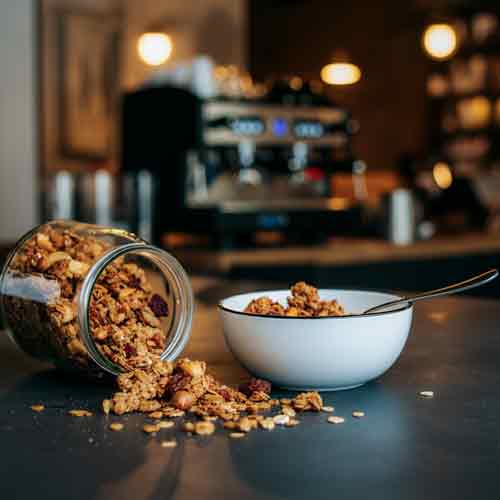
Granola has become a must-have on just about every cafe menu. It’s not only a star performer in acai bowls, but also tops off yoghurt parfaits and breakfast classics with satisfying crunch and loads of flavour. But with so many options out there, how do you know you’re choosing the right granola for your business? At Opera Foods, we understand how much the small details matter—both to your customers and to your brand.
That’s why we produce two standout granola brands: Plum Foods and Mulberry Tree. Each brings its own unique strengths and appeals to different needs, customers, and cafe philosophies. Here’s a closer look at both, plus handy links to the products so you can get inspired—or even order directly for your cafe.
Plum Foods: Award-Winning, Pure, and Sustainable
If your cafe champions clean eating, sustainability, and a premium feel, Plum Organic’s award-winning Maple Nut Crunch Granola is a perfect fit. Plums Maple Nut Crunch contains organic oats, which means is more committed to sustainable practices. Not only that, but—like all Opera Foods granola—Plum Foods is crafted without any preservatives, so you can feel confident that you’re serving honest food.
What sets Plum Foods’ breacfast cereals apart goes beyond its hig quality credentials. It’s a brand that tells a story: from eco-friendly sourcing to the vibrant, pure taste of its ingredients. The Maple Nut Crunch Granola is a customer favourite—delicate hints of maple and a satisfying nutty crunch make it ideal for health-conscious diners and anyone looking for food that’s real, unprocessed, and kind to the planet.
Plum Foods Brand is ideal for:
- Cafes with a strong health or eco-conscious brand identity.
- Menus where “organic ingredeince” draws attention and loyalty.
- Customers who appreciate a premium product and are happy to pay for exceptional quality.
If your cafe highlights sustainable values or proudly features “paddock-to-plate” style offerings, Plum Foods brand will fit right into your story.
Discover some premium recipe ideas using Maple Nut Crunch.
Mulberry Tree: Versatile, Crowd-Pleasing, and Value-Focused
Looking for a granola that’s as reliable as it is delicious? Mulberry Tree granola is made for versatility, quality, and wide appeal—without any artificial preservatives. While non of its ingredeients are organic, Mulberry Tree is created with care from premium ingredients that deliver big on taste and crunch, making it a favourite for busy cafes looking to serve a variety of customers.
Mulberry Tree’s range, including the Roasted Almond Crunch Granola, has earned a reputation for consistency and value. It’s the kind of granola that feels at home on any menu—from hearty breakfast bowls to a simple fruit and yoghurt pairing. Our Roasted Almond Crunch is particularly prized for its famous crunchy clusters that won’t go soggy.
Super Crunch Nut Free Granola, also from Mulberry Tree, delivers the same crunch but without the nuts. Why would you want a no-nut granola?
Mulberry Tree works well for:
- Cafes serving a diverse mix of regulars, families, and students.
- Menus where cost-effectiveness needs to balance with premium quality.
- Owners who want a dependable staple granola for a range of applications.
Not just for cafes, our premium granola brands are a popular choice amongst takeaway retailers too. Find out how to stop granola from going soggy in grab-and-go granola bowls.
Opera Foods’ Ethos: Preservative-Free, Naturally
No matter which granola you choose, you can count on one Opera Foods promise across every single product: absolutely no preservatives. Whether you pick Plum Foods for its organic ingredients or Mulberry Tree for its consistency and value, you’re serving your customers food that’s as close to nature as possible—lovingly baked in Australia.
Choosing the Right Granola for Your Cafe
Selecting the granola that fits your menu best isn’t just about taste; it’s about matching your brand and your customers’ expectations. Here are a couple of things to consider:
- Who are your customers? If you’re attracting the wellness crowd or serving up premium brunches, Plum Foods will make your menu stand out. If you’re all about being the local go-to cafe—for families, students, or anyone after a tasty, honest breakfast—Mulberry Tree ticks all the right boxes.
- What’s your brand story? Leaning into sustainability and organics? Highlight Plum Foods. Offering a broad, affordable menu with a focus on quality? Mulberry Tree will serve you (and your customers) well.
Your Wholesale Partner in Quality
At Opera Foods, our passion is supporting Australian cafes with carefully crafted, preservative-free products—no corners cut, ever. Both Plum Foods brand and Mulberry Tree Fine Foods will help you deliver the kind of granola your customers return for, again and again.
Ready to boost your menu with exceptional granola? Explore more on our website, and keep an eye out for in-depth articles for even more ideas and inspiration. If you have questions or want to talk about what will work best for your cafe, we’re here to help!
Explore our range of wholesale acai bowl granola for your business today.
This article was reproduced on this site with permission from operafoods.com.au the “Wholesale Café Suppliers”.
See original article:- Plum Foods or Mulberry Tree? Choosing Your Cafe Granola
The Role of Granola in Acai Bowls
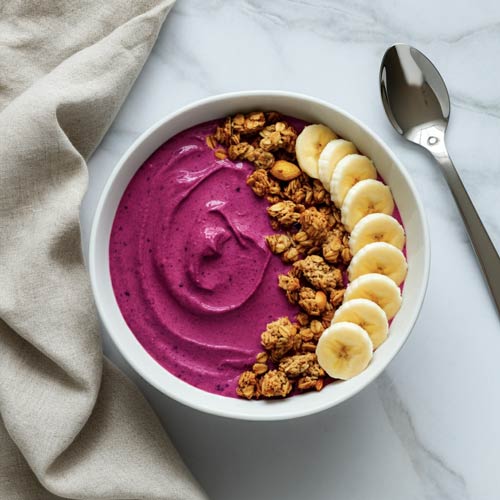
Have you ever wondered what makes a truly memorable acai bowl? You can source the best organic acai, blend it to a perfect, creamy consistency, and top it with the freshest local fruit. But if you get one specific element wrong, the whole experience can fall flat. What is this make-or-break ingredient? The granola.
As a cafe owner, you know that every detail counts. The humble granola might seem like a simple finishing touch, but its role is far more significant. It’s the textural heart of the bowl, the component that provides the satisfying crunch and deep flavour that customers crave. Skimp on the granola, and you’re serving a smoothie in a bowl. Get it right, and you create a multi-sensory experience that keeps people coming back.
So, let’s talk about why the right granola is non-negotiable and how you can select the perfect one to elevate your acai bowls from good to unforgettable.
Why Texture is the Unsung Hero of Acai Bowls
Think about your favourite foods. Chances are, they involve a satisfying contrast of textures. The crispy crust on a loaf of bread, the crunchy coating on fried chicken, the snap of a fresh apple. The same principle applies to acai bowls. The magic lies in the contrast between the smooth, cold acai base and the robust crunch of the granola.
The Science of a Satisfying Crunch
The brain may actually be wired to enjoy crunchy foods. The sound and sensation of a crunch signal freshness and make the eating experience more engaging. When a customer digs their spoon into an acai bowl, they anticipate that textural interplay. A granola that gets soggy the moment it touches the acai base is a letdown. It creates a one-note, mushy texture that feels underwhelming.
This is why choosing a granola designed for acai bowls is so important. Something that maintains their integrity and delivers a consistent crunch from the first bite to the last. This focus on texture in smoothie bowls is what separates a professionally crafted dish from a homemade one.
Building a Better Bowl
The perfect granola doesn’t just add crunch; it adds structure. It provides a foundation for other toppings and prevents them from sinking into the base. It’s the backbone of the bowl, ensuring that every spoonful offers a balanced mix of creamy, crunchy, and fresh elements.
Flavour: The Perfect Partner for Fruity Acai
While texture is critical, flavour is equally important. The right granola should complement the acai base, not compete with it. The tangy, earthy flavour of the acai berry needs a partner that can enhance its natural notes without overpowering them.
Finding the Right Flavour Profile
Many commercial granolas are loaded with sugar, which can make the entire bowl taste cloyingly sweet, masking the delicate flavours of the fruit. Instead, look for healthy granola options that use natural sweeteners like maple syrup or agave. These provide a more subtle, complex sweetness that harmonises with the acai.
Our Roasted Almond Crunch is a perfect example of a granola designed with this balance in mind. It’s a vegan, low-sugar option that features wholefood ingredients like rolled oats and natural almonds. Its flavour is nutty and toasty, providing a delicious counterpoint to the bright fruitiness of the acai. Crucially, it contains no dried fruits, which can often be hard and icy when served on a frozen base.
Offering a Premium Experience
For cafes looking to offer a top-tier menu item, a gourmet granola can be a significant draw. An award-winning product like our Maple Nut Crunch tells a story of quality. This Gold Medal winner is handmade in Australia with organic oats and a beautiful blend of nuts and seeds, all lightly sweetened with maple and agave. Its rich, nuanced flavour instantly elevates an acai bowl into a premium offering, justifying a higher price point and delighting customers with discerning palates.
Nutrition: Turning a Treat into a Superfood Meal
Today’s cafe customers are more health-conscious than ever. They choose acai bowls not just because they’re delicious, but because they’re perceived as a nutritious meal. The granola you choose plays a vital role in fulfilling that expectation.
Packing a Punch with Whole Grains and Healthy Fats
A high-quality granola is more than just a crunchy topping; it’s packed with nutrients.
- Sustained Energy: Granolas made from whole grains like rolled oats are a great source of complex carbohydrates and fibre. This provides slow-release energy, keeping your customers feeling full and satisfied for longer. This is a key benefit of choosing a low-GI option.
- Healthy Fats and Protein: Ingredients like nuts and seeds add valuable protein and healthy fats, which are essential for brain function and overall well-being.
- Vitamins and Minerals: Wholefood ingredients naturally contain a range of vitamins and minerals, adding to the overall nutritional value of the bowl.
By choosing a granola packed with these wholesome ingredients, you’re adding real substance to your acai bowls. You’re transforming them from a light snack into a genuinely nourishing meal that can power your customers through their day.
How to Select the Perfect Granola for Your Cafe
Feeling ready to upgrade your granola game? Here’s a simple checklist to help you choose the right product for your business.
Step 1: Check the Cluster Factor
Does the granola hold its shape in satisfying clusters, or is it fine and dusty? Remember, clusters equal crunch. Always opt for a cluster-style granola for acai bowls.
Step 2: Read the Ingredient List
Look for wholefood ingredients at the top of the list. Are the sweeteners natural (like maple syrup) or refined (like white sugar)? Is it packed with nuts and seeds, or is it mostly filler? Choose a product with an ingredient list you can be proud of.
Step 3: Consider Your Customers’ Needs
Do you need to cater to dietary restrictions? Having dedicated vegan, gluten-free, or nut-free granola options can make your cafe a go-to spot for a wide range of customers.
Step 4: Taste It!
This might seem obvious, but you should never put something on your menu that you haven’t tasted and loved yourself. How does it taste on its own? How does it taste when paired with your acai base? Does it deliver the flavour and texture you’re looking for?
The granola in your acai bowl is so much more than a simple topping. It is the crucial element that provides texture, deepens the flavour profile, and boosts the nutritional value. By investing in a high-quality, purpose-made granola for acai bowls, you are investing in the quality of your menu and the satisfaction of your customers. It’s a small change that delivers a big impact.
Explore our range of premium acai bowl granola, available to bulk buy at wholesale prices.
This article was reproduced on this site with permission from operafoods.com.au the “Wholesale Café Suppliers”.
See original article:- The Role of Granola in Acai Bowls