
Tag: Specialty Cereal for Independent Retailers
How Specialty Cereal for Independent Retailers Turns a Single Sale into a Weekly Visit
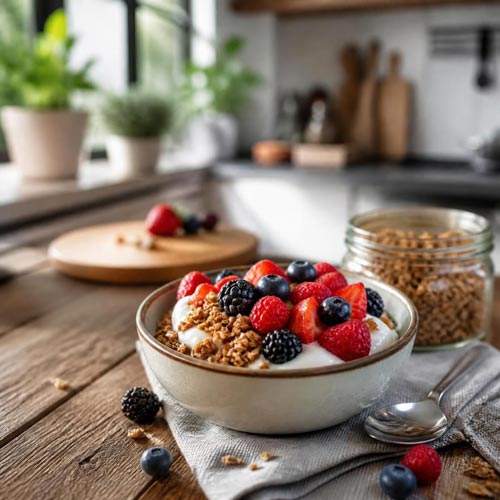
You spend a lot of energy thinking about how to get people through the door. Much of it goes into promotion and local advertising, in the hope of giving someone a reason to choose your store over the supermarket that’s possibly closer, probably cheaper, and almost certainly open longer. In Australia, where a handful of major chains dominate grocery, nearly every one of your customers shops at one of them.
But the most reliable driver of repeat visits isn’t a promotion. It’s a product someone can’t easily find elsewhere.
This is well understood in categories like deli, bakery, and fresh produce, where independent retailers have always competed on quality and curation rather than price. What’s less obvious is that specialty cereal can do the same job, in a category many stores treat as a commodity. The difference is that cereal has something fresh produce doesn’t: a high repeat-purchase frequency and almost no variability in what people buy.
This article explains how a specialty cereal line turns breakfast, the most habitual meal of the day, into a regular reason for customers to choose your store over the supermarket, and what that loyalty is worth across the whole shop.
Why does specialty cereal bring customers back every week?
Specialty cereal brings customers back because breakfast is the most habitual meal in the house. People eat roughly the same breakfast most mornings for weeks or months at a time. It’s the meal with the least decision-making attached to it. Someone who finds a granola they like will buy it repeatedly with very little prompting, very little comparison shopping, and very little price sensitivity, because switching costs them the one thing they value at seven in the morning, which is not having to think.
This matters for you because a single successful purchase in the cereal aisle can convert into a predictable, recurring visit. Not every category behaves this way. A customer might love your olive oil, but they buy olive oil once every two months. Cereal moves weekly, sometimes fortnightly. The repurchase cycle is short enough that it becomes part of the shopping routine rather than an occasional decision.
How does specialty cereal set independent retailers apart from the supermarket?
Specialty cereal sets your store apart in a way the mainstream brands can’t, because it isn’t sitting on the same supermarket shelf your customer shops every week. Many independent grocers carry the same mainstream cereal brands as the supermarket down the road. Nobody drives past the supermarket to buy them from you. Those brands are interchangeable across every store that stocks them, which means they give no one a reason to choose your store. At the major supermarkets, the cereal aisle is increasingly split between those same brands and the chain’s own label.
Specialty cereal flips this. A specialty granola, Australian-made by a smaller manufacturer and sold direct in formats and flavours the major chains either don’t carry or don’t prioritise, gives your customer something they’re unlikely to find down the road. They come back every week or two because the product has become part of their morning and your store is where they know they’ll find it.
What is a weekly specialty granola customer worth to an independent grocer?
The direct financial value of a destination cereal product isn’t just the margin on the bag. It’s the margin on the basket.
A customer who comes in specifically for their granola doesn’t leave with just the granola. They pick up milk, fruit, and maybe something for dinner. Basket size tends to increase when the visit is purpose-driven rather than opportunistic. A customer on a top-up run spends less than a customer who came in for a specific product and then fills gaps while they’re there.
Over the course of a year, a single customer buying a bag of granola every week or two generates a modest amount of cereal revenue on its own. Yet the basket that surrounds each of those visits, multiplied by however many customers have adopted the same habit, adds up to something considerably more significant. And because the trigger product isn’t one they can price-check at the supermarket, less of that basket value is exposed to the customer switching stores for a cheaper version of the same item. For the margin on the bag itself, read our article on why premium cereal delivers stronger margins than mainstream brands.
Which specialty cereals keep customers coming back?
A specialty cereal keeps customers coming back when it meets three conditions. It needs to taste good enough to become habitual. The product also must be distinct enough from what the major supermarkets carry that a customer can’t find a close-enough substitute elsewhere. And it needs to be consistently available, because nothing kills a destination habit faster than the product being out of stock when someone comes in for it.
Clean-label Australian-made products from manufacturers who sell direct to independents tend to tick these boxes naturally. The clean-label recipe is what makes them taste different from mass-market cereal. They sit outside the range the major supermarkets carry, which is what gives your store the point of difference.
Provenance does some of the work too. Country-of-origin labelling puts the Australian-made claim on the pack in a format your customers already recognise. A customer who can see at the shelf that this is Australian-made granola has one more reason to trust it enough to make it a weekly buy.
If you trade under a banner group, much of your cereal aisle likely comes from the group’s warehouse range. Ranging a specialty line direct from the manufacturer is the same kind of call many independents already make with local bakery and produce suppliers. It also gives you more control over availability.
What should independent grocers look for in a specialty cereal supplier?
When you’re choosing a specialty cereal supplier, the range matters most, because every product that meets a different need can bring a different customer back each week.
A high-protein keto granola holds one customer, a gluten-free paleo blend another, a Bircher muesli someone else again. Each is a habit your store owns, and a supplier with that breadth lets you build several from a single order. If you’d rather start with a few lines and see which habits take hold, read our article on how small order wholesale cereal lets you test new lines without the risk.
The value of specialty cereal in your store isn’t really about cereal at all. It’s about owning a reason for someone to come back, in a category where coming back means coming back every week. You probably already have destination products in your fresh departments. The cereal aisle is an opportunity to build the same loyalty in a shelf-stable category with far less waste risk and all the repeat-purchase frequency.
If you’re looking for the lines that bring customers back every week, you can explore the full range on the Plum Foods wholesale breakfast cereal page.
This article was reproduced on this site with permission from operafoods.com.au the “Cereal for Retailers Suppliers”.
See original article:- How Specialty Cereal for Independent Retailers Turns a Single Sale into a Weekly Visit